

As an experienced supplier of RV Cable, I've witnessed firsthand the critical role that cable length plays in determining its performance. In this blog post, I'll delve into the various ways in which the length of an RV cable can impact its functionality, from electrical resistance to signal integrity, and provide insights into how you can make informed decisions when selecting the right cable for your needs.
Electrical Resistance
One of the most significant effects of cable length on performance is its impact on electrical resistance. According to Ohm's Law, the resistance of a conductor is directly proportional to its length and inversely proportional to its cross-sectional area. In simpler terms, as the length of an RV cable increases, so does its resistance. This increase in resistance can lead to several issues, including voltage drop, power loss, and overheating.
Voltage drop occurs when the electrical potential difference between two points in a circuit decreases due to the resistance of the conductor. In the case of an RV cable, a longer cable will have a higher resistance, resulting in a greater voltage drop. This can cause problems for electrical devices connected to the cable, as they may not receive the full voltage they require to operate properly. For example, if a device is designed to operate at 12 volts but is only receiving 10 volts due to voltage drop, it may not function correctly or may even be damaged over time.
Power loss is another consequence of increased resistance in an RV cable. When current flows through a conductor with resistance, some of the electrical energy is converted into heat. This heat loss represents a waste of energy and can reduce the overall efficiency of the electrical system. In addition, excessive heat can damage the cable insulation and other components of the system, leading to potential safety hazards.
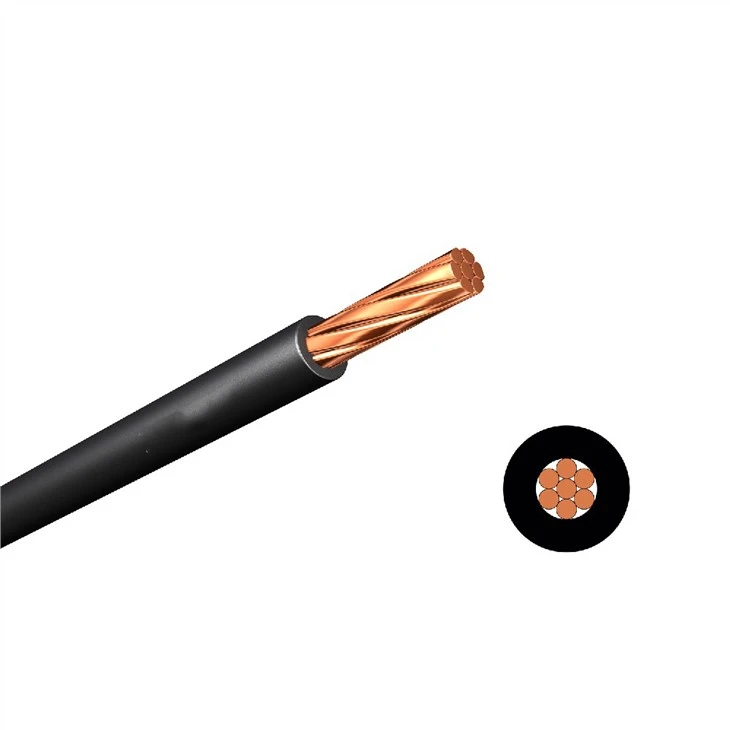
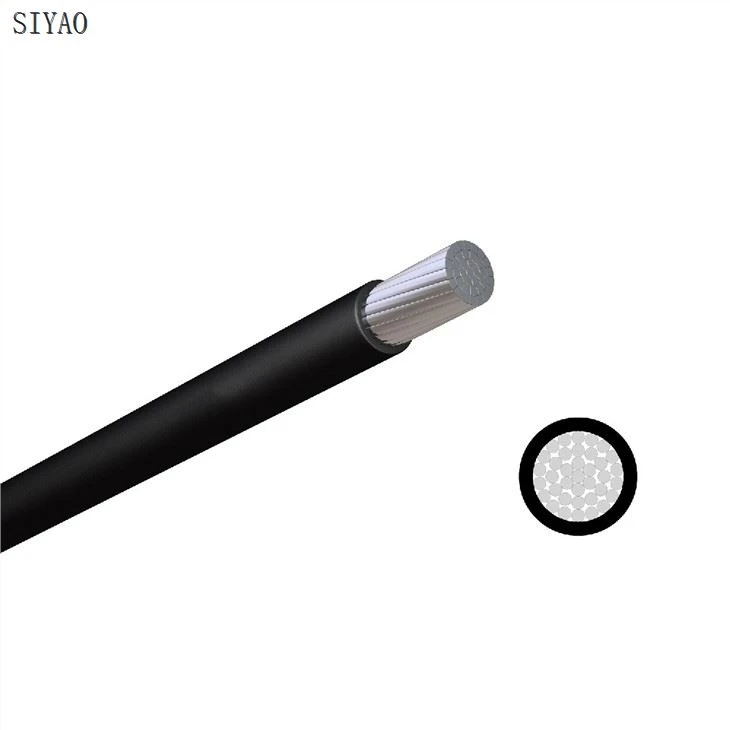
To minimize the effects of electrical resistance, it's important to choose an RV cable with an appropriate cross-sectional area for the length and current requirements of your application. Thicker cables have lower resistance and can carry more current without experiencing significant voltage drop or power loss. Additionally, using shorter cables whenever possible can help reduce resistance and improve the performance of your electrical system.
Signal Integrity
In addition to its impact on electrical resistance, the length of an RV cable can also affect signal integrity, particularly in applications where high-speed data transmission is required. As the length of a cable increases, the signal can become attenuated, or weakened, due to factors such as capacitance, inductance, and electromagnetic interference (EMI).
Capacitance is the ability of a conductor to store electrical charge. In an RV cable, capacitance can cause the signal to be delayed or distorted, particularly at high frequencies. Inductance, on the other hand, is the property of a conductor that resists changes in current flow. When current flows through a cable, it creates a magnetic field around the conductor, which can induce a voltage in nearby conductors. This can lead to interference and signal degradation, especially in cables that are located close together.
Electromagnetic interference (EMI) is another factor that can affect signal integrity in an RV cable. EMI can be caused by a variety of sources, including other electrical devices, radio waves, and power lines. As the length of a cable increases, it becomes more susceptible to EMI, which can cause the signal to become noisy or corrupted.
To ensure good signal integrity in applications where high-speed data transmission is required, it's important to choose an RV cable that is designed to minimize capacitance, inductance, and EMI. Shielded cables are often used in these applications to protect the signal from interference. Additionally, using shorter cables and keeping them away from sources of EMI can help improve signal quality.
Flexibility and Durability
The length of an RV cable can also have an impact on its flexibility and durability. Longer cables are generally more difficult to handle and maneuver, especially in tight spaces. They may also be more prone to kinking, bending, and other forms of damage, which can affect their performance and lifespan.
In addition, the weight of a longer cable can put additional stress on the connectors and other components of the electrical system. This can lead to premature wear and failure, particularly if the cable is frequently moved or subjected to vibration.
To ensure that your RV cable remains flexible and durable over time, it's important to choose a cable that is designed for the specific application and environment in which it will be used. Flexible Cable for Connecting (RV) is specifically designed to be highly flexible and resistant to bending, making it ideal for use in RVs and other mobile applications. Additionally, using cable management systems such as cable ties and clips can help keep the cable organized and prevent it from becoming damaged.
Temperature Resistance
Another important factor to consider when selecting an RV cable is its temperature resistance. RVs are often exposed to a wide range of temperatures, from extreme heat in the summer to freezing cold in the winter. If the cable is not able to withstand these temperature variations, it may become brittle, crack, or lose its electrical properties, leading to potential safety hazards.
High Temperature Resistant Cable is designed to operate in high-temperature environments without losing its flexibility or electrical properties. These cables are often made with special insulation materials that can withstand temperatures of up to 150°C or higher. In addition, they may be coated with a fire-resistant material to provide additional protection in case of a fire.
When choosing an RV cable, it's important to consider the temperature range in which it will be used and select a cable that is rated for that temperature range. This will help ensure that the cable remains safe and reliable over time, even in extreme conditions.
Conclusion
In conclusion, the length of an RV cable can have a significant impact on its performance, from electrical resistance to signal integrity, flexibility, durability, and temperature resistance. When selecting an RV cable, it's important to consider the specific requirements of your application, including the length, current, voltage, and temperature range, and choose a cable that is designed to meet those requirements.
At our company, we offer a wide range of high-quality RV cables and other electrical products to meet the needs of our customers. Our cables are designed and manufactured to the highest standards of quality and reliability, and we offer a variety of options to suit different applications and budgets.
If you're looking for a reliable supplier of RV cables or have any questions about our products, please don't hesitate to contact us. Our team of experts is always available to provide you with the information and support you need to make the right decision for your project. We look forward to working with you!