

As a seasoned supplier of electrical cables, I've encountered numerous inquiries regarding the application of different cable types in various environments. One question that frequently arises is whether RVV cable, a popular choice for its flexibility and versatility, can be used in high - humidity environments. In this blog post, I'll delve into the technical aspects of RVV cable and explore its suitability for such challenging conditions.
Understanding RVV Cable
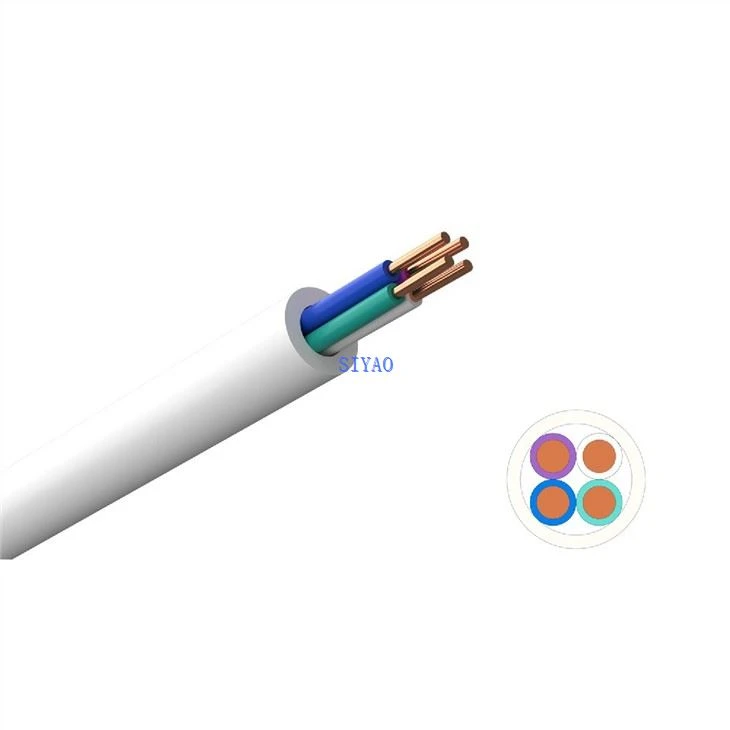
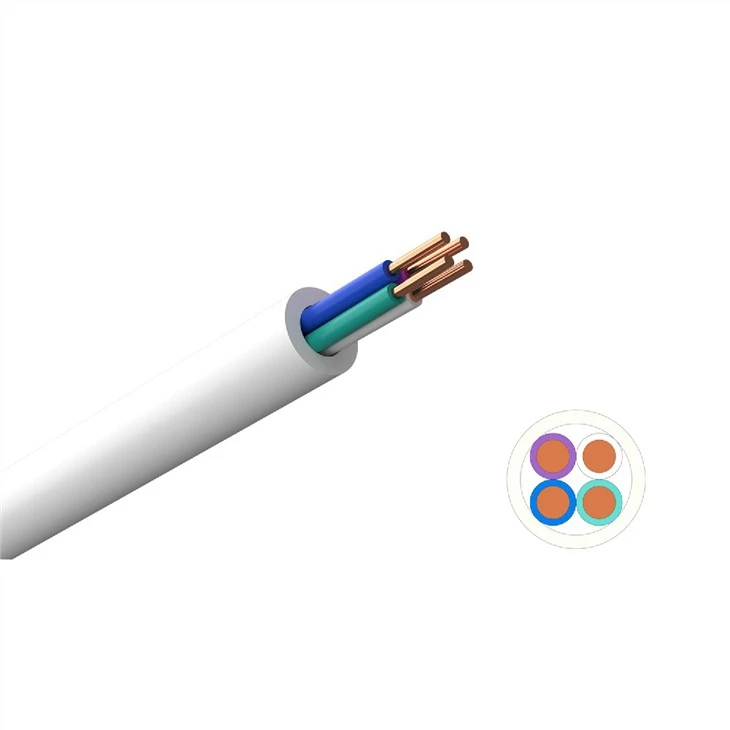
RVV cable, also known as Insulated and Sheathed Flexible Cable(RVV) [/power-cable-wire-oem-factory/multi-core-sheathed-cable/insulated-and-sheathed-flexible-cable-rvv.html], is a multi - core flexible cable commonly used for indoor electrical wiring, data transmission, and in various electrical equipment. It consists of multiple copper conductors insulated with polyvinyl chloride (PVC) and surrounded by an outer PVC sheath. The flexibility of RVV cable makes it ideal for applications where cables need to be bent or moved frequently, such as in home appliances, lighting fixtures, and control systems.
Characteristics of RVV Cable
- Flexibility: The primary advantage of RVV cable is its high flexibility. The use of fine - stranded copper conductors and a soft PVC sheath allows the cable to be bent easily without damaging the conductors or the insulation. This makes it suitable for applications where the cable needs to follow complex routes or be installed in tight spaces.
- Insulation: The PVC insulation used in RVV cable provides good electrical insulation properties, protecting the conductors from short - circuits and electrical interference. It also has a certain degree of resistance to abrasion and chemicals, which helps to maintain the integrity of the cable over time.
- Sheath: The outer PVC sheath of RVV cable serves as an additional layer of protection. It shields the inner conductors and insulation from mechanical damage, moisture, and dust. However, the performance of the sheath in high - humidity environments depends on its quality and thickness.
Challenges in High - Humidity Environments
High - humidity environments pose several challenges to electrical cables. Moisture can penetrate the cable's insulation and sheath, leading to a variety of problems:
- Insulation Degradation: Water can cause the insulation material to swell and lose its electrical insulation properties. This can result in increased leakage current, reduced dielectric strength, and ultimately, electrical failures.
- Corrosion: Moisture can accelerate the corrosion of copper conductors. Corroded conductors have higher resistance, which can lead to overheating and potential fire hazards.
- Mold and Mildew Growth: In high - humidity conditions, mold and mildew can grow on the surface of the cable sheath. This not only affects the appearance of the cable but can also weaken the sheath material over time.
Can RVV Cable Be Used in High - Humidity Environments?
The answer is not a simple yes or no. It depends on several factors, including the specific requirements of the application, the quality of the RVV cable, and the level of humidity in the environment.
- Quality of the Cable: High - quality RVV cables with thick and well - formulated PVC insulation and sheaths are more resistant to moisture penetration. These cables are often designed to meet certain industry standards for moisture resistance, which can make them suitable for use in moderately humid environments.
- Level of Humidity: In environments with relatively low humidity levels (e.g., up to 70% relative humidity), properly installed and high - quality RVV cables may perform satisfactorily. However, in extremely humid environments (e.g., above 90% relative humidity) or areas where the cable is constantly exposed to water, such as near swimming pools or in coastal regions, the risk of moisture - related problems increases significantly.
- Installation and Protection: Proper installation is crucial for the performance of RVV cable in high - humidity environments. The cable should be installed in a way that minimizes its exposure to moisture, such as using conduit or cable trays. Additionally, applying moisture - resistant coatings or sealants to the cable joints can help prevent water ingress.
Alternatives to RVV Cable in High - Humidity Environments
If the humidity level is too high or the risk of moisture exposure is significant, alternative cable types may be more suitable:
- Shielded Flexible Cable (RVVP) [/power-cable-wire-oem-factory/multi-core-sheathed-cable/shielded-flexible-cable-rvvp-sy.html]: RVVP cable has an additional layer of shielding, usually made of aluminum foil or braided copper. This shielding provides better protection against electromagnetic interference and can also offer some degree of moisture resistance. However, like RVV cable, its performance in high - humidity environments still depends on the quality of the insulation and sheath.
- Insulated and Sheathed Cable (BVV) [/power-cable-wire-oem-factory/multi-core-sheathed-cable/insulated-and-sheathed-cable-bvv.html]: BVV cable is similar to RVV cable in terms of insulation and sheathing materials, but it is generally less flexible. It may be a better choice for static installations in high - humidity environments, as its construction can provide more protection against moisture and mechanical damage.
Conclusion
In conclusion, RVV cable can be used in high - humidity environments under certain conditions. High - quality cables, proper installation, and appropriate protection measures can help mitigate the risks associated with moisture exposure. However, in extremely humid or wet conditions, it may be necessary to consider alternative cable types.
If you're unsure about the suitability of RVV cable for your specific high - humidity application, or if you're looking for other cable solutions, don't hesitate to reach out. Our team of experts is ready to provide you with detailed information and guidance, helping you make the most appropriate cable selection for your project. Contact us for more information and to start a procurement discussion.