

Renewable energy systems, such as solar, wind, and hydro, have witnessed remarkable growth in recent years as the global community increasingly turns towards sustainable energy sources. At the heart of these systems lies the need for reliable and efficient electrical components, and single core cables play a pivotal role in ensuring the seamless transmission of power. As a single core cable supplier, I understand the critical requirements that these cables must meet in a renewable energy system. In this blog post, I will delve into the key requirements for single core cables in renewable energy systems, exploring aspects such as electrical performance, environmental durability, safety, and compliance.
Electrical Performance
One of the primary requirements for single core cables in a renewable energy system is excellent electrical performance. These cables are responsible for carrying electrical current from the energy source, such as solar panels or wind turbines, to the storage or distribution system. Therefore, they must have low resistance to minimize power losses during transmission. Low resistance ensures that a higher percentage of the generated energy reaches its intended destination, improving the overall efficiency of the renewable energy system.
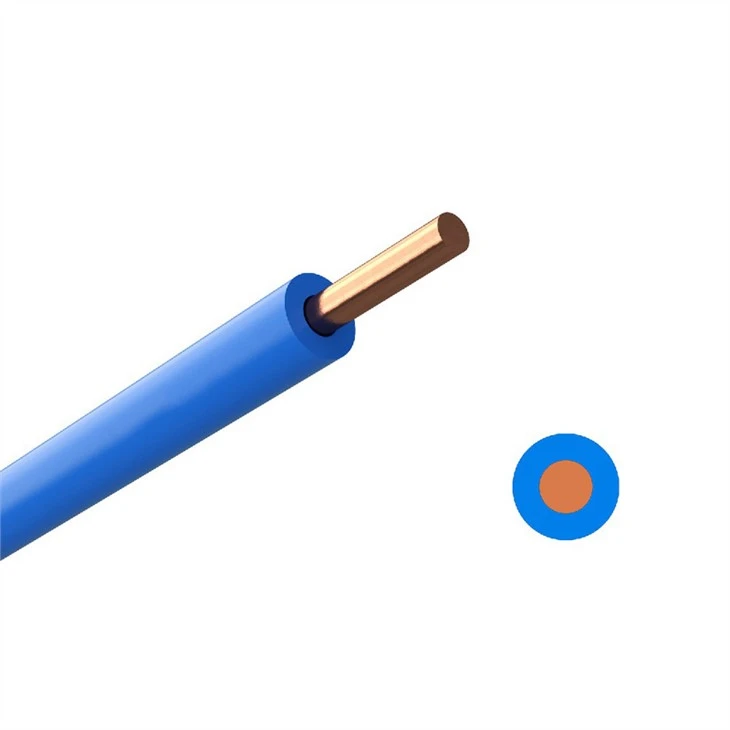
The conductivity of the cable is a crucial factor in determining its electrical performance. Copper is the most commonly used conductor material in single core cables due to its high electrical conductivity. Copper cables offer low resistance, which reduces power losses and heat generation, making them ideal for renewable energy applications. For instance, our PVC Insulated Copper Cable (BV) is designed with high-quality copper conductors to ensure optimal electrical performance.
In addition to conductivity, the cable's ampacity, or current-carrying capacity, is also an important consideration. The ampacity of a cable depends on factors such as the conductor size, insulation material, and ambient temperature. In a renewable energy system, the cable must be able to carry the maximum current generated by the energy source without overheating. Overheating can not only reduce the cable's lifespan but also pose a safety hazard. Therefore, it is essential to select a cable with an appropriate ampacity based on the specific requirements of the renewable energy system.
Environmental Durability
Renewable energy systems are often installed in harsh environmental conditions, such as deserts, offshore locations, and high-altitude areas. Therefore, single core cables used in these systems must be able to withstand a wide range of environmental factors, including temperature variations, moisture, UV radiation, and chemical exposure.
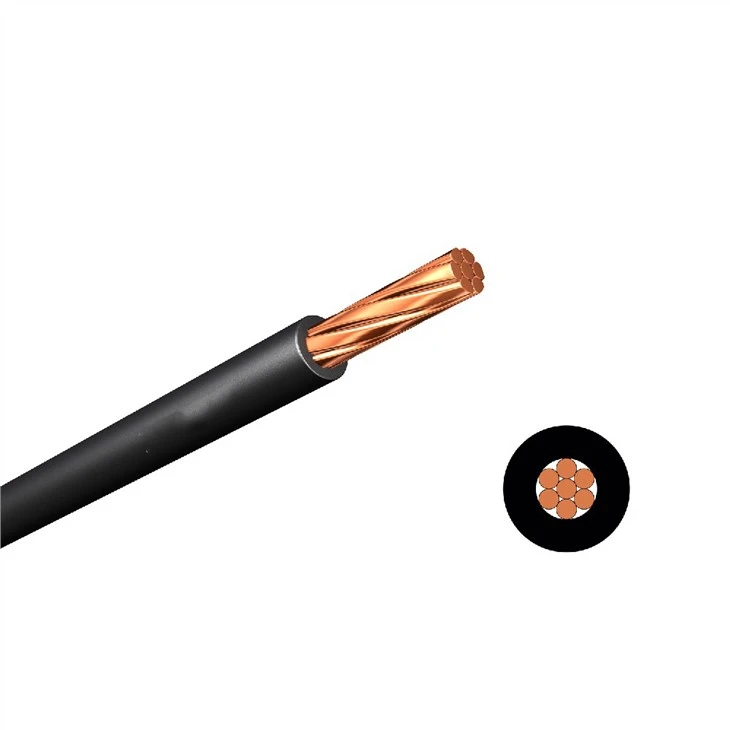
Temperature resistance is a critical requirement for single core cables in renewable energy systems. In solar power plants, for example, the cables may be exposed to high temperatures during the day and low temperatures at night. Similarly, in wind turbines, the cables may experience extreme temperature fluctuations due to the changing weather conditions. Our High Temperature Resistant Cable is specifically designed to withstand high temperatures, ensuring reliable performance in demanding environments.
Moisture resistance is another important consideration. In offshore wind farms or hydroelectric power plants, the cables may be exposed to water or high humidity levels. Moisture can cause corrosion of the conductors and degrade the insulation material, leading to electrical failures. To prevent moisture ingress, the cables must have a proper waterproofing and sealing mechanism. Additionally, the insulation material should be resistant to water absorption to maintain its electrical properties.
UV radiation can also cause damage to the cable's insulation material over time. In solar power plants, the cables are exposed to direct sunlight for extended periods, which can lead to the degradation of the insulation and the loss of its electrical properties. Therefore, the cables must be protected with a UV-resistant jacket to prevent UV damage.
Chemical exposure is another environmental factor that can affect the performance of single core cables. In some renewable energy applications, the cables may be exposed to chemicals such as acids, alkalis, or solvents. These chemicals can corrode the conductors and damage the insulation material. Therefore, the cables must be made of materials that are resistant to chemical corrosion.
Safety
Safety is of utmost importance in any electrical system, and renewable energy systems are no exception. Single core cables used in these systems must meet strict safety standards to ensure the protection of personnel and equipment.
One of the key safety requirements for single core cables is fire resistance. In the event of a fire, the cables should not contribute to the spread of the fire or release toxic gases. Fire-resistant cables are designed with special insulation and jacket materials that can withstand high temperatures and prevent the spread of flames. These cables are often used in critical areas of a renewable energy system, such as control panels and switchgear.
Electrical insulation is also a critical safety feature. The insulation material must provide adequate protection against electrical shock and prevent the leakage of current. The insulation resistance of the cable should be regularly tested to ensure its integrity. In addition, the cable should be properly grounded to prevent electrical hazards.
Mechanical protection is another aspect of safety. The cables may be subjected to mechanical stress during installation, operation, or maintenance. Therefore, they must be able to withstand bending, pulling, and crushing forces without damage. The cable's outer jacket should provide sufficient mechanical protection to prevent physical damage to the conductors and insulation.
Compliance
Single core cables used in renewable energy systems must comply with various national and international standards and regulations. These standards ensure the quality, safety, and performance of the cables.
In the United States, the National Electrical Code (NEC) sets the standards for electrical installations, including the use of cables in renewable energy systems. The NEC specifies requirements for cable sizing, installation methods, and safety features. In addition, the Underwriters Laboratories (UL) provides certification for cables that meet specific safety and performance standards.
In Europe, the International Electrotechnical Commission (IEC) standards are widely used for electrical equipment, including single core cables. The IEC standards cover aspects such as electrical performance, environmental durability, and safety. Cables that comply with the IEC standards are recognized and accepted in many countries around the world.
It is essential for single core cable suppliers to ensure that their products comply with the relevant standards and regulations. This not only ensures the quality and reliability of the cables but also provides customers with the confidence that they are using safe and compliant products.
Conclusion
In conclusion, single core cables play a crucial role in renewable energy systems, and they must meet several key requirements to ensure reliable and efficient performance. These requirements include excellent electrical performance, environmental durability, safety, and compliance with standards and regulations. As a single core cable supplier, we are committed to providing high-quality cables that meet the specific needs of renewable energy applications. Our PVC Insulated Copper Cable (BV), High Temperature Resistant Cable, Flexible Cable for Connecting ( RV ), and PVC Insulated Flexible Cable(BVR) are designed to meet the highest standards of quality and performance.
If you are in the market for single core cables for your renewable energy system, we invite you to contact us to discuss your specific requirements. Our team of experts will be happy to assist you in selecting the right cables for your application.