

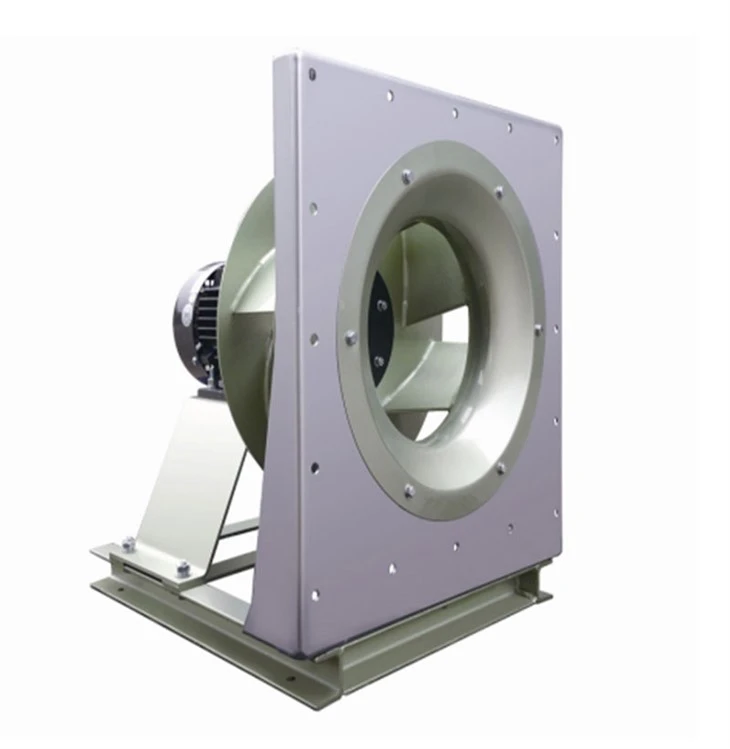
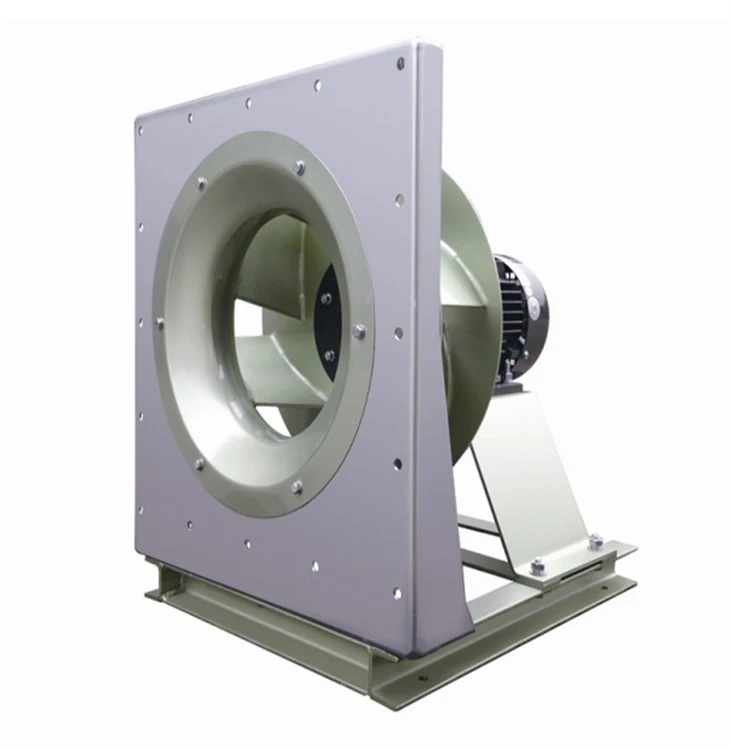
Hey there! As a supplier of Direct Drive Airfoil Plug Fans, I've had my fair share of experiences diving deep into these amazing pieces of equipment. One of the most crucial aspects of understanding and improving these fans is analyzing the flow field inside them. So, let's get right into it and talk about how to do just that.
Why Analyze the Flow Field?
First off, you might be wondering why we even bother analyzing the flow field inside a Direct Drive Airfoil Plug Fan. Well, it's simple. The flow field directly impacts the fan's performance. By understanding how the air moves inside the fan, we can optimize its design, improve efficiency, reduce noise, and increase its lifespan. It helps us figure out if there are any areas where the air is getting turbulent, where there might be pressure drops, and how to make the whole system work better.
Tools for Flow Field Analysis
To start analyzing the flow field, we need the right tools. One of the most commonly used methods is Computational Fluid Dynamics (CFD). CFD is like a virtual wind tunnel. It uses computer algorithms to simulate the flow of air through the fan. With CFD software, we can create a 3D model of the fan and its surrounding environment. Then, we can input different parameters like air density, temperature, and the speed of the fan. The software then calculates how the air will move through the fan, giving us detailed information about the flow field.
Another important tool is Particle Image Velocimetry (PIV). PIV is an experimental technique that allows us to measure the velocity of the air at different points inside the fan. We use a laser to illuminate small particles that are suspended in the air. Then, we take two consecutive images of the particles. By analyzing the movement of the particles between the two images, we can calculate the velocity of the air at that point. This gives us real - world data that can be used to validate the results from the CFD simulations.
Steps in Analyzing the Flow Field
Step 1: Define the Problem
Before we start any analysis, we need to clearly define what we want to find out. Are we trying to improve the fan's efficiency? Reduce noise? Or maybe we're just trying to understand how the air moves through a particular part of the fan. This will help us determine what parameters to focus on during the analysis.
Step 2: Create a Model
If we're using CFD, we need to create a 3D model of the Direct Drive Airfoil Plug Fan. This model should be as accurate as possible, including all the details like the shape of the blades, the housing, and any other components that might affect the air flow. There are many 3D modeling software available that can help us with this task.
Step 3: Set Up the Simulation
Once we have the model, we need to set up the CFD simulation. This involves defining the boundary conditions, such as the inlet and outlet pressures and velocities, and choosing the appropriate turbulence model. The turbulence model is important because it helps us accurately predict the behavior of the air when it becomes turbulent.
Step 4: Run the Simulation
After setting up the simulation, we can let the CFD software do its thing. Depending on the complexity of the model and the simulation settings, this can take anywhere from a few minutes to several hours. While the simulation is running, we need to monitor it to make sure everything is going smoothly.
Step 5: Analyze the Results
Once the simulation is complete, we can start analyzing the results. We can look at things like the velocity distribution, pressure distribution, and the location of any regions of turbulence. We can also compare the results with our initial goals to see if we've made any improvements.
Step 6: Validate with Experiments
If possible, we should validate the CFD results with experimental data. This is where PIV comes in handy. By comparing the experimental data with the CFD results, we can determine the accuracy of our simulations and make any necessary adjustments to our model or simulation settings.
Real - World Applications and Examples
Let's take a look at how this analysis can be used in the real world. Suppose we have a customer who is complaining about high noise levels from our Direct Drive Airfoil Plug Fan. By analyzing the flow field, we can identify areas where the air is causing excessive noise, such as regions of high turbulence or pressure fluctuations. We can then modify the design of the fan, for example, by changing the shape of the blades or the housing, to reduce the noise.
Another example is when we're trying to improve the efficiency of the fan. By analyzing the flow field, we can find areas where there are energy losses, such as inefficiencies in the way the air is being accelerated or decelerated. We can then make design changes to minimize these losses and improve the overall efficiency of the fan.
Our Product Range
As a supplier, we offer a wide range of Direct Drive Airfoil Plug Fans and related products. For instance, we have the Direct Driven Centrifugal Fan (Forward Curved Blades, Dual Inlet), SYP Series. These fans are known for their high performance and efficiency. We also have the EXTERNAL ROTOR MOTOR DIRECT DRIVEN CENTRIFUGAL FANS, which are designed for applications where space is limited.
If you're looking for a specific type of airfoil plug fan, we have the Airfoil Plug Fan / Direct Driven Centrifugal Fan, SYWA Series and the Direct Drive Airfoil Plug Fan / Centrifugal Fan, SYWB Series. And for those who need a blower, we offer the Direct Driven Centrifugal Blower (Forward Curved Blades, Double Inlet), SYZ Series.
Contact Us for Purchasing
If you're in the market for a Direct Drive Airfoil Plug Fan or any of our other products, we'd love to talk to you. Whether you have questions about flow field analysis, need help choosing the right product for your application, or are ready to place an order, don't hesitate to reach out. We're here to provide you with the best products and support in the industry.