

Hey there! As a BVV cable supplier, I've been getting a lot of questions about the vibration resistance characteristics of BVV cables. So, I thought I'd put together this blog post to share some insights on the topic.
First off, let's talk a bit about what BVV cable is. BVV, or Insulated and Sheathed Cable, is a commonly used type of cable in electrical installations. You can find more detailed information about it on this page: Insulated and Sheathed Cable ( BVV ). These cables are designed to carry electrical current safely and efficiently, and they're used in a wide range of applications, from residential wiring to industrial electrical systems.
Now, when it comes to vibration resistance, BVV cables have some pretty interesting characteristics. One of the key factors that contribute to their vibration resistance is the cable's construction. BVV cables typically have a copper conductor, which is known for its excellent electrical conductivity. The copper conductor is then insulated with a layer of PVC (polyvinyl chloride), which not only provides electrical insulation but also adds a certain degree of flexibility and durability to the cable.
This combination of a copper conductor and PVC insulation gives BVV cables the ability to withstand a certain amount of vibration. The flexible nature of the PVC insulation allows the cable to bend and flex without breaking, which is crucial in environments where there's a lot of movement or vibration. For example, in industrial settings where machinery is constantly running and causing vibrations, BVV cables can tolerate these conditions without suffering significant damage.
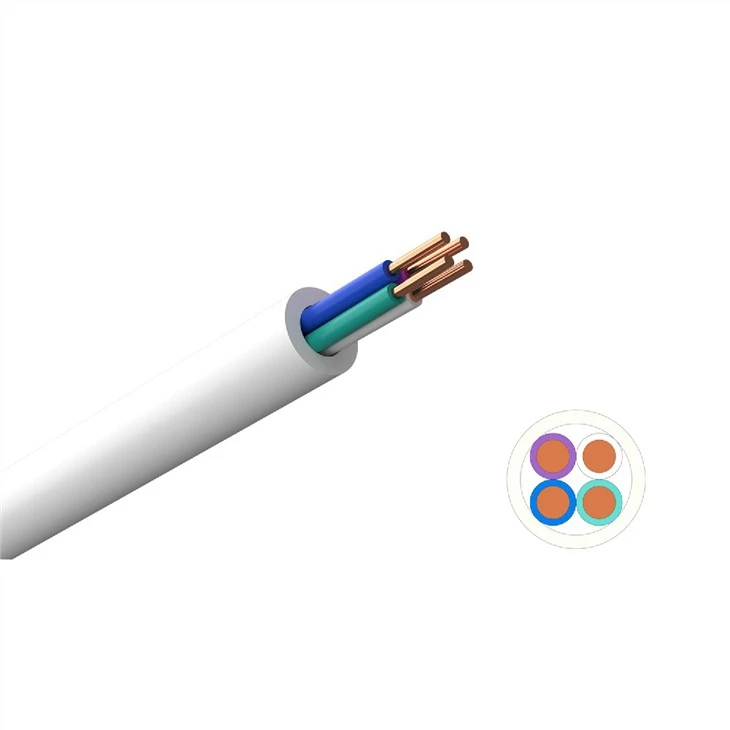
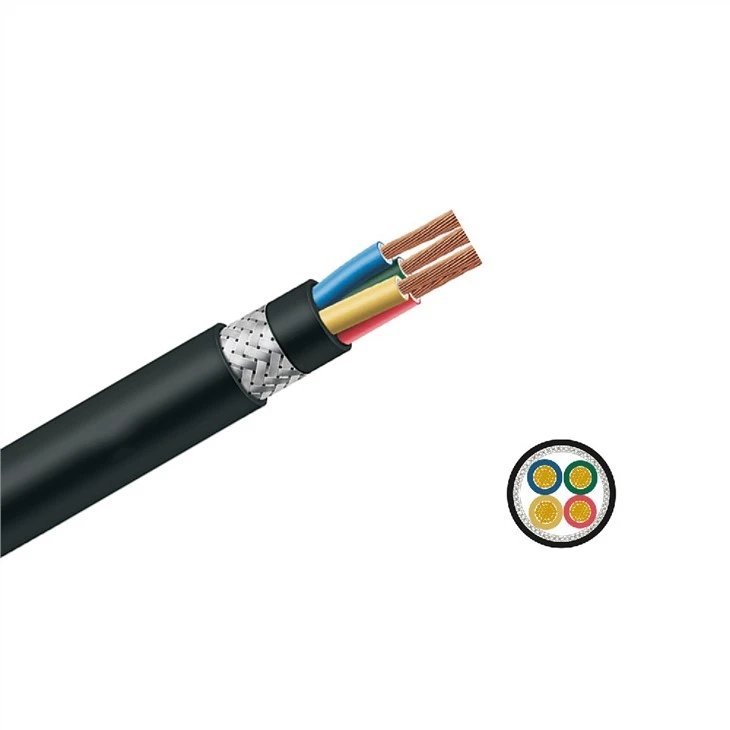
Another aspect of the construction that helps with vibration resistance is the way the cable is stranded. Stranded conductors are made up of multiple smaller wires twisted together. This design provides several benefits. Firstly, it makes the cable more flexible compared to a solid conductor. A more flexible cable can better adapt to vibrations by bending and shifting slightly without causing any internal damage to the conductor. Secondly, the multiple strands distribute the stress caused by vibrations more evenly across the conductor, reducing the risk of single - point failures.
But it's important to note that the vibration resistance of BVV cables has its limits. While they can handle normal levels of vibration that are commonly found in many electrical installations, extreme or sustained high - energy vibrations can pose problems. For instance, in some heavy - duty industrial machinery where the vibrations are extremely intense and high - frequency, BVV cables may need additional protection.
There are some ways to enhance the vibration resistance of BVV cables in high - vibration environments. One option is to use cable glands or protective sleeves. These can provide an extra layer of support and cushioning, reducing the direct impact of vibrations on the cable. Another consideration is the routing of the cables. By carefully placing the cables away from the source of strong vibrations or using flexible conduit systems, we can further protect the BVV cables.
In comparison to other types of cables, how does BVV stack up in terms of vibration resistance? Let's take a look at Shielded Flexible Cable (RVVP) and Insulated and Sheathed Flexible Cable(RVV). RVVP cables, as the name suggests, are shielded. The shielding can help reduce electromagnetic interference, but it also adds a bit of rigidity. This rigidity can make them a bit less forgiving when it comes to vibrations compared to BVV cables. On the other hand, RVV cables are also flexible, but their construction might be more focused on general flexibility rather than specifically optimized for vibration resistance like BVV cables.
The testing procedures for vibration resistance of BVV cables are quite rigorous. Cable manufacturers typically subject the cables to simulated vibration environments. They use equipment that can generate different frequencies and amplitudes of vibrations, similar to what the cables might encounter in real - world situations. These tests are done for a set period of time, and during the test, the cables are closely monitored for any signs of damage, such as broken conductors or insulation cracks. Only after passing these tests can the cables be deemed suitable for use in various applications.
In practical applications, the vibration resistance of BVV cables plays a significant role in ensuring the reliability of electrical systems. For example, in a building's electrical wiring, vibrations can occur due to factors like wind, traffic, or the operation of elevators. If the cables aren't able to withstand these vibrations, it can lead to loose connections, short - circuits, or even electrical fires. By using BVV cables with good vibration resistance, we can minimize these risks and ensure the long - term stability of the electrical installation.
Now, if you're in the market for high - quality BVV cables that offer excellent vibration resistance, you've come to the right place. As a BVV cable supplier, we're committed to providing top - notch products that meet industry standards. Whether you're working on a small residential project or a large - scale industrial installation, our BVV cables are designed to handle the job. If you're interested in learning more or starting a procurement discussion, please feel free to reach out. We're here to help you find the best cable solutions for your specific needs.