

Walk into any lab exhaust project and you'll find the same pattern: the fan is specified from a catalog, the nameplate looks right, and everyone moves on. Six months later, the system is hunting, the filters are loading faster than expected, and nobody's quite sure why the fan sounds different than it did at startup.
The problem isn't the fan. It's that standard ratings describe a clean, steady test condition. Labs and cleanrooms aren't either of those things.
Filters don't sit still
HEPA filters in exhaust systems don't hold a constant pressure drop. They load. As particulate builds up, the resistance climbs, and the fan's operating point drifts left on its curve. In a pharmaceutical suite or biosafety lab, that drift can be significant-enough to push the fan toward stall if it was selected too close to its peak efficiency point.
Most specs size the fan for end-of-life filter resistance and call it done. That misses the middle. The fan spends most of its life somewhere between clean and fully loaded, and that's where it actually runs day to day. A better approach is to look at the full loading curve and pick a fan whose stable range covers the whole span, not just the endpoints.
When variable flow enters the picture-and in modern labs, it always does-the drive matters as much as the impeller. A VFD lets the fan track a moving system curve, but not every impeller stays stable across a wide speed range. Some get twitchy at low speeds, especially as filter resistance changes. That's worth checking before the equipment shows up on site.
Leaks happen at the joints
In a negative-pressure exhaust system, the fan casing isn't the only path air can take. Shaft seals, access door gaskets, and casing seams all leak when the pressure's working against you. For a general chemistry lab, a small leak into a mechanical room is an annoyance. For a BSL-3 or containment facility, it's a compliance issue.
AMCA 500-D tightness testing exists for a reason. If the application calls for it, the spec should too. Belt-driven setups with the motor outside the airstream are common in these applications-not because they're more efficient, but because they keep the drive components serviceable without breaking the containment boundary. The trade-off is belt maintenance, which needs to be part of the conversation upfront.
The air isn't neutral
Material selection for lab exhaust usually gets reduced to a temperature check. "Max 80°C" and everyone's satisfied. But the real question is what's in the air. Chlorinated solvents, acid vapors, perchloric acid-each attacks different materials. A standard painted casing that lasts decades in general ventilation might show corrosion in a season if the exhaust carries trace HCl.
The impeller takes the worst of it. It's spinning at the highest velocity in the system, driving whatever's in the air against the metal surface. If the coating fails there, imbalance follows, then vibration, then bearing failure. A solid impeller finish-hot-dip galvanizing, baked phenolic, or stainless-pays for itself the first time a process upset sends something aggressive through the system.
What actually matters
Standard ratings tell you what the fan can do in a test chamber. They don't tell you how it handles a filter bank that's halfway through its life, a sash that just opened, or an exhaust stream that's suddenly more corrosive than last week. The fans that hold up in these environments are the ones selected with the full operating envelope in mind-not just the nameplate.
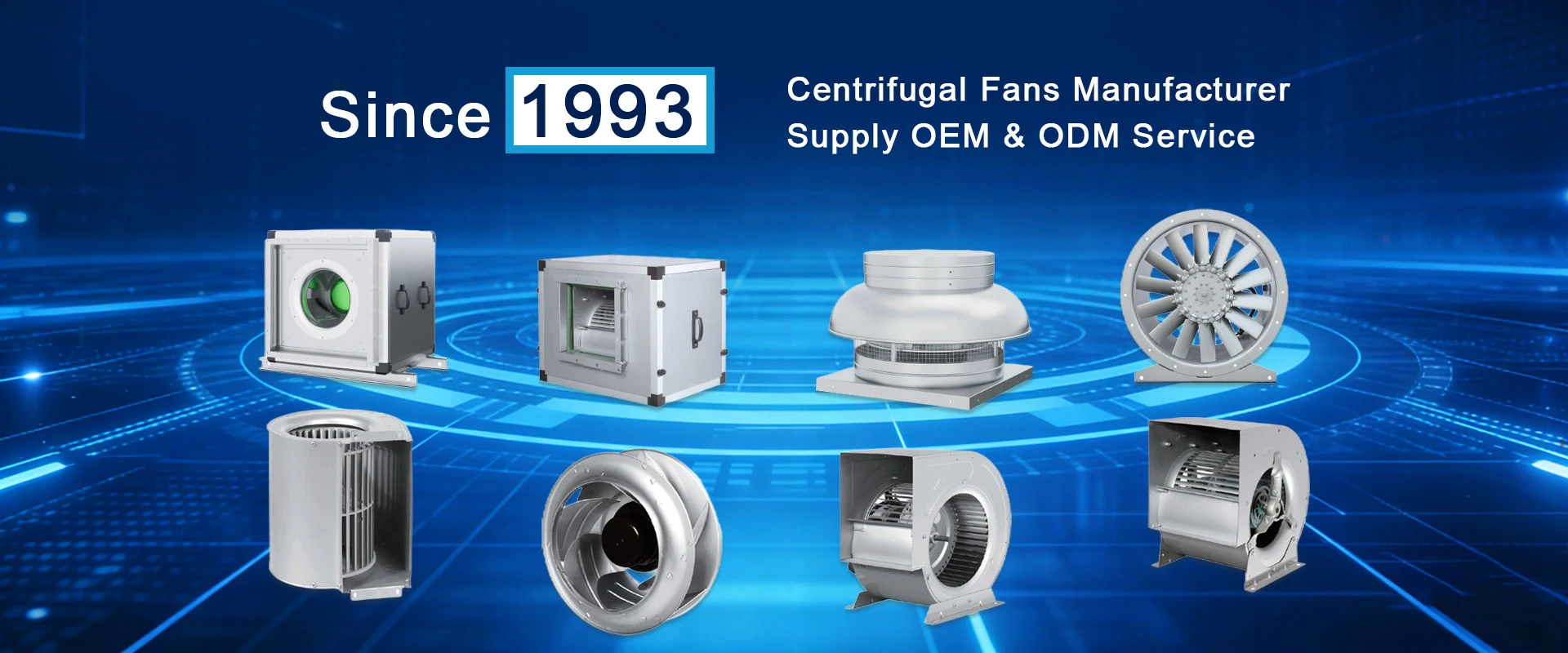
MIDI Industrial supplies cabinet and inline centrifugal fans for lab and cleanroom exhaust, with corrosion-resistant options and configurable drive arrangements. For project-specific requirements, our engineering team reviews filter loading profiles and chemical exposure data as part of the selection process.