

Hey there! As a BV cable supplier, one question I get a lot is whether BV cables are compatible with other types of cables. Well, let's dive right into this topic to clear up any confusion.
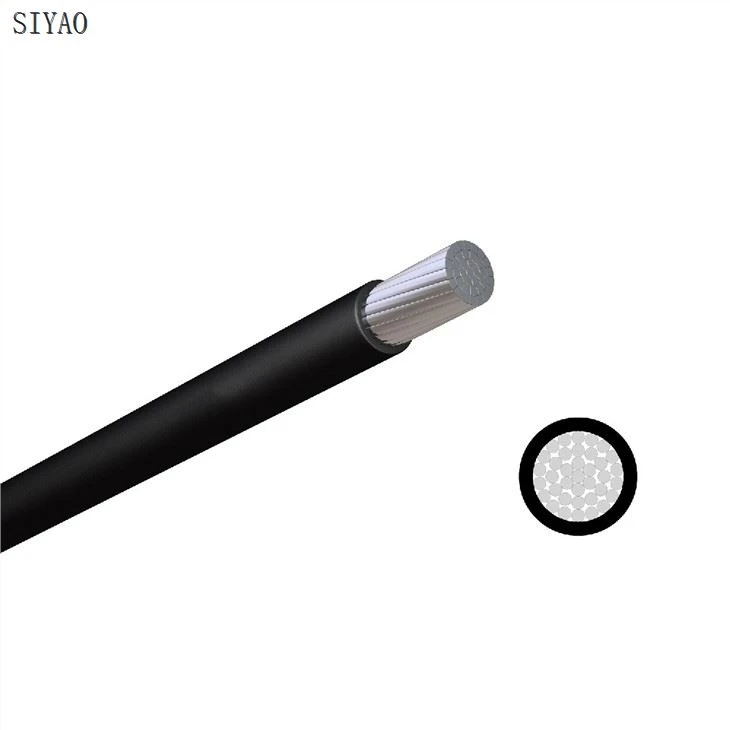
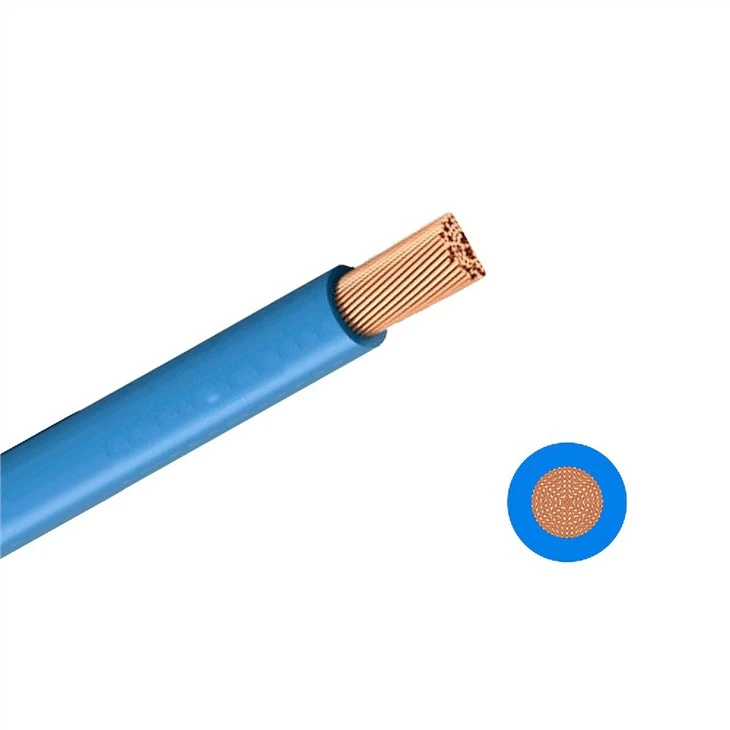
First off, let's talk a bit about what BV cables are. PVC Insulated Copper Cable (BV) is a commonly used single - core cable in electrical systems. It's known for its excellent insulation properties provided by the PVC (polyvinyl chloride) material. This insulation helps protect the copper conductor inside and makes it suitable for a wide range of applications, from residential wiring to some light - commercial setups.
Now, when we're talking about compatibility, we need to consider several factors such as voltage rating, current - carrying capacity, insulation material, and the environmental conditions where the cables will be used.
Voltage Rating Compatibility
The voltage rating of a cable is super important. BV cables usually come with standard voltage ratings, like 300/500V or 450/750V. When you're thinking about connecting BV cables to other types of cables, the voltage ratings have to match up. If you try to pair a BV cable rated for 300/500V with a cable rated for, say, 1000V, it can lead to problems. The lower - rated BV cable might not be able to handle the higher voltage, which can cause insulation breakdown, short - circuits, and even pose a fire hazard. So, always check the voltage ratings before making any connections.
Current - Carrying Capacity
Another key factor is the current - carrying capacity. The current - carrying capacity of a cable depends on its conductor size and the insulation material. BV cables are designed to carry a specific amount of current based on their size. For example, a larger - gauge BV cable can carry more current than a smaller - gauge one.
Let's say you want to connect a BV cable with another type, like a Flexible Cable for Connecting (RV). You need to make sure that both cables can handle the same amount of current. If the RV cable has a higher current - carrying capacity than the BV cable and you connect them in a circuit where a high current is expected, the BV cable might overheat. Overheating can damage the insulation and reduce the lifespan of the cable, and in the worst - case scenario, it can start a fire.
Insulation Material Compatibility
The insulation material of a cable plays a big role in its compatibility. As I mentioned earlier, BV cables use PVC insulation. When connecting to other cables, it's important that the insulation materials are chemically compatible. Different insulation materials can react with each other over time, especially if they're exposed to heat, moisture, or chemicals.
For instance, some high - performance cables use High Temperature Resistant Cable insulation materials that are designed to withstand extreme temperatures. If you try to connect a BV cable with a PVC insulation to a high - temp cable, the PVC insulation might not be able to handle the high temperatures. This could cause the insulation to melt, crack, or lose its insulating properties, which is obviously a major safety risk.
Environmental Conditions
The environment where the cables will be installed also affects compatibility. BV cables are typically suitable for indoor and some outdoor applications where the conditions are relatively mild. If you're planning to use BV cables in a harsh environment, like an area with high humidity, extreme temperatures, or exposure to chemicals, you need to be extra careful when considering compatibility with other cables.
Let's think about a situation where you want to connect a BV cable with a PVC Insulated Flexible Cable(BVR) in a wet area. Both cables have PVC insulation, which provides some level of moisture resistance. However, if the environment is extremely wet, you might need to take additional precautions, such as using cable glands or conduit to protect the cables from water ingress.
Compatibility with Different Cable Types
- AC and DC Circuits: BV cables can be used in both AC (alternating current) and DC (direct current) circuits. When connecting them to other cables in these circuits, the principles of voltage and current - carrying capacity still apply. But in DC circuits, there's a different kind of degradation in the insulation compared to AC circuits. For example, in DC circuits, there's a build - up of space charges in the insulation, which can affect the long - term performance of the cable. So, when connecting BV cables to other cables in DC circuits, you need to make sure that all the cables can handle the specific characteristics of DC power.
- Power and Control Cables: BV cables are often used for power distribution. When connecting them to control cables, which are used to transmit signals, you need to be careful about electromagnetic interference (EMI). Power cables can generate electromagnetic fields, which can interfere with the signals in control cables. To avoid this, you can use proper cable routing techniques, like keeping power and control cables separated, or using shielded cables.
Conclusion and Call to Action
So, is BV cable compatible with other types of cables? Well, it can be, but only if you pay close attention to voltage ratings, current - carrying capacity, insulation material, and environmental conditions. Making sure these factors are in line will help you create a safe and reliable electrical system.
If you're in the market for high - quality BV cables or have questions about cable compatibility, don't hesitate to reach out. We're here to provide you with the best solutions for your electrical needs and assist you in making the right cable choices. Whether you're working on a small residential project or a large - scale commercial installation, we've got you covered.