

When it comes to electrical wiring, flexibility is a crucial factor, especially in dynamic and complex environments. As a seasoned RVV cable supplier, I've witnessed firsthand how the flexibility of RVV cable sets it apart from other types of cables. In this blog post, we'll delve into what makes RVV cable so flexible, its applications, and how it compares to other common cables in the market.
What is RVV Cable?
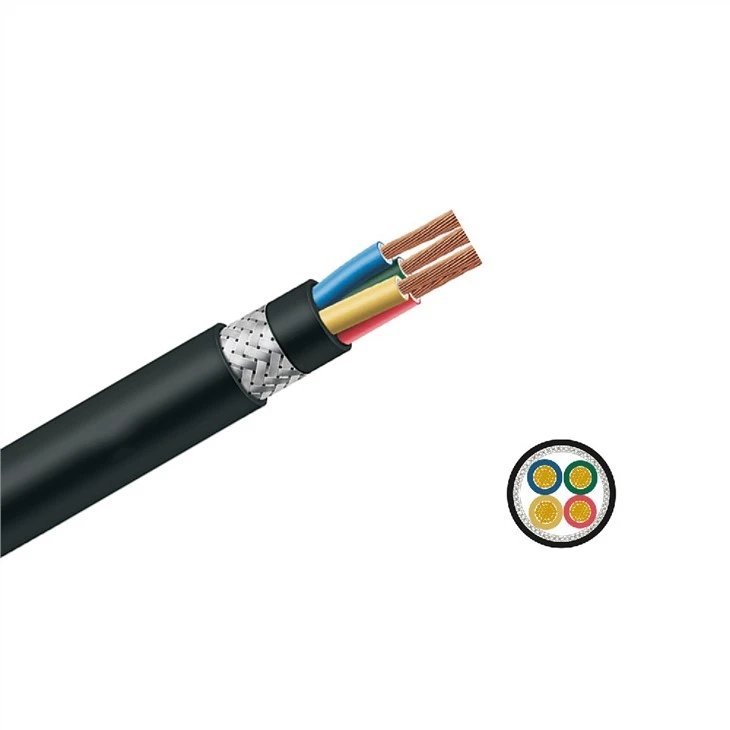
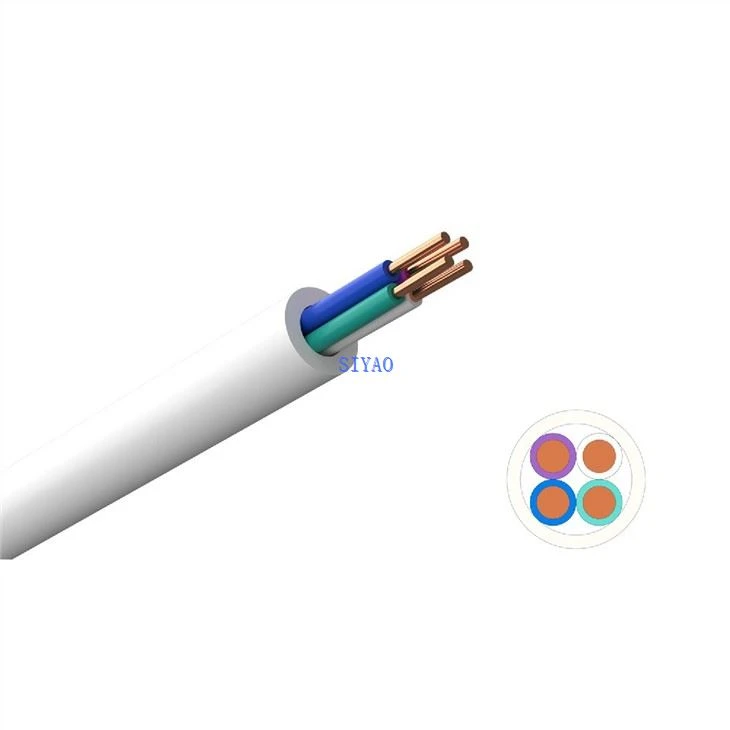
Before we discuss its flexibility, let's briefly introduce what RVV cable is. RVV stands for Insulated and Sheathed Flexible Cable(RVV) [1]. It is a multi - core cable with multiple copper conductors, each individually insulated, and then wrapped with an outer PVC sheath. This construction gives RVV cable not only electrical insulation but also certain mechanical protection.
The factors contributing to the flexibility of RVV cable
1. Conductor Material and Stranding
The conductors in RVV cables are typically made of copper, a metal known for its excellent electrical conductivity and ductility. The way the copper conductors are stranded also plays a significant role in the cable's flexibility. Instead of using a single solid conductor, RVV cables use multiple fine copper wires twisted together. This stranded construction allows the cable to bend and flex more easily without breaking the conductor. For example, when you're routing the cable around corners or through tight spaces, the stranded conductors can adjust to the shape changes, enabling the cable to maintain its electrical performance.
2. Insulation Material
The insulation material used in RVV cables is usually PVC (Polyvinyl Chloride). PVC is a flexible, durable, and lightweight plastic. It has good electrical insulation properties and can withstand a certain range of temperatures. The flexibility of the PVC insulation allows it to conform to the movements of the conductors inside the cable. When the cable is bent, the insulation doesn't crack or separate from the conductors, ensuring the long - term reliability of the cable.
3. Outer Sheath Design
The outer PVC sheath of the RVV cable further enhances its flexibility. The sheath is designed to be thin but tough enough to protect the internal conductors and insulation from physical damage, moisture, and chemicals. A well - designed outer sheath can follow the bending and twisting of the cable without restricting its movement. Moreover, the smooth surface of the sheath makes it easier to route the cable through conduits or other areas with potential friction.
Applications Benefiting from RVV Cable Flexibility
1. Home Electrical Installations
In residential settings, RVV cables are widely used for various electrical appliances and lighting systems. Their flexibility allows for easy installation behind walls, under floors, or in ceiling cavities. For instance, when wiring up a kitchen with multiple appliances, the cable can be effortlessly routed around cabinets and fixtures. You can easily make the necessary bends to connect switches, sockets, and appliances, making the installation process more efficient and less time - consuming.
2. Security Systems
Security systems such as CCTV cameras, alarm sensors, and access control devices often require flexible cables for installation. RVV cables can be easily bent and routed to connect these devices in different locations around a building. Whether it's running the cable along the perimeter of a building for a fence - mounted sensor or inside the ceiling for a hidden camera, the flexibility of RVV cable ensures a neat and reliable installation.
3. Stage and Event Lighting
In the entertainment industry, stage and event lighting setups require cables that can be quickly and easily re - arranged. RVV cables are ideal for this purpose. They can be coiled and uncoiled multiple times without losing their flexibility or electrical performance. During a concert or a theater production, lighting technicians can easily move the cables around to adjust the lighting layout, thanks to the cable's flexibility.
Comparison with Other Cables
1. Shielded Flexible Cable (RVVP)
Shielded Flexible Cable (RVVP) [2] is similar to RVV cable in many ways, but it has an additional shielding layer. This shielding layer is used to protect the cable from electromagnetic interference (EMI). While the shielding provides an important advantage in certain applications, such as in industrial environments or areas with a lot of electronic equipment, it can slightly reduce the cable's flexibility compared to RVV cable. The shielding material adds some stiffness to the cable, making it a bit more challenging to bend in tight spaces.
2. Insulated and Sheathed Cable (BVV)
Insulated and Sheathed Cable (BVV) [3] uses a solid conductor instead of a stranded conductor like RVV cable. This makes BVV cable less flexible than RVV. In applications where frequent bending and movement are required, BVV cable may not be the best choice. For example, in a movable electrical device, the solid conductor in BVV cable may break over time due to repeated bending, while RVV cable can withstand such movement without significant damage.
Importance of Flexibility in Long - Term Use
The flexibility of RVV cable is not only beneficial during installation but also in the long - term use of the cable. A flexible cable is less likely to experience mechanical stress when it is bent or moved. Mechanical stress can cause the insulation to crack, the conductors to break, or the sheath to separate. By choosing a flexible RVV cable, you can reduce the risk of these issues occurring, which in turn increases the lifespan of the cable and ensures the reliability of the electrical system it is part of.
Conclusion
In conclusion, the flexibility of RVV cable is a result of its conductor material and stranding, insulation material, and outer sheath design. This flexibility makes it suitable for a wide range of applications, from home electrical installations to entertainment setups. When compared to other cables like RVVP and BVV, RVV cable offers a great balance between flexibility and electrical performance.
If you're in the market for high - quality and flexible RVV cables, we're here to help. We are a reliable supplier of RVV cables, committed to providing products that meet the highest standards of quality and performance. Whether you're a contractor working on a large - scale project or a homeowner doing a DIY electrical installation, we can offer the right cable solutions for your needs. Contact us to discuss your requirements and start a successful procurement journey.