

Splicing a single core cable might seem like a daunting task, especially if you're new to the world of electrical work. But fret not! As a reliable single core cable supplier, I'm here to guide you through the process step by step. In this blog, we'll cover everything from the tools you'll need to the different types of splices and safety precautions.
Tools and Materials You'll Need
Before you start splicing a single core cable, it's essential to gather all the necessary tools and materials. Here's a list to get you started:
Wire Strippers: This tool is used to remove the insulation from the cable ends. Make sure to choose a wire stripper that matches the gauge of your cable.
Electrical Tape: Electrical tape is used to insulate the spliced connection. Opt for high-quality electrical tape that provides good insulation and durability.
Crimper: A crimper is used to attach connectors to the cable ends. Choose a crimper that is suitable for the type of connectors you're using.
Connectors: There are various types of connectors available, such as wire nuts, butt connectors, and solderless terminals. Select the appropriate connector based on your specific requirements.
Solder and Soldering Iron (Optional): Soldering provides a more permanent and secure connection. If you choose to solder your splices, make sure you have the right solder and a soldering iron.
Safety Gear: Always prioritize safety when working with electrical cables. Wear safety glasses, gloves, and other appropriate protective gear.
Types of Single Core Cables
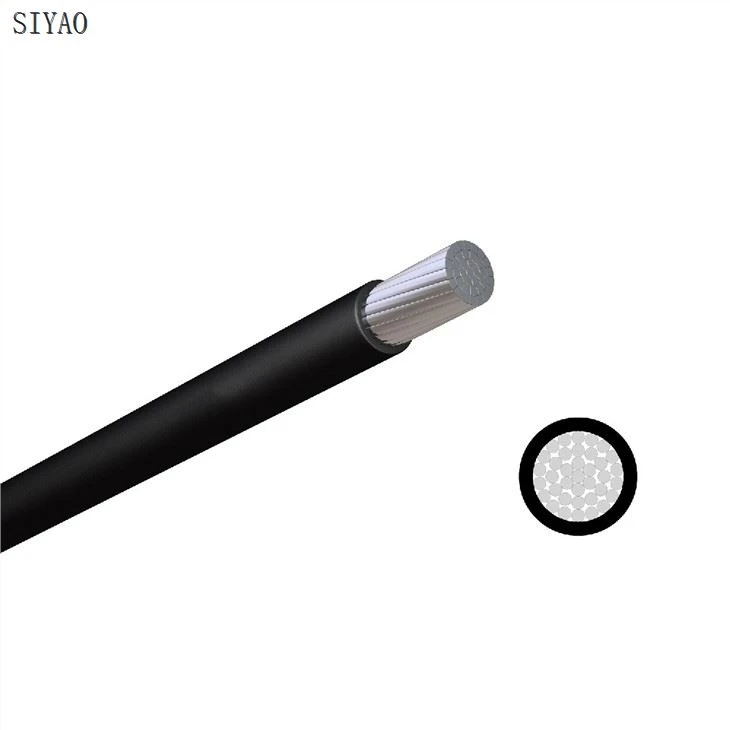
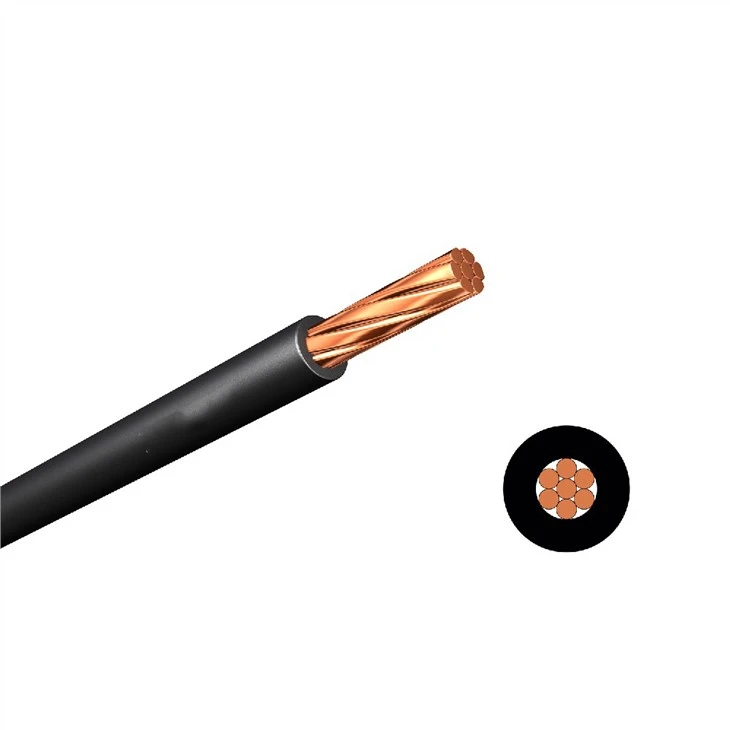
As a single core cable supplier, we offer a wide range of cables to meet different needs. Here are some common types of single core cables:
- High Temperature Resistant Cable: This type of cable is designed to withstand high temperatures, making it ideal for applications where heat is a concern.
- PVC Insulated Copper Cable (BV): PVC insulated copper cables are widely used in residential and commercial electrical systems. They offer good insulation and are relatively easy to install.
- Flexible Cable for Connecting (RV): Flexible cables are designed to be more bendable and suitable for applications where the cable needs to be moved or flexed.
- PVC Insulated Flexible Cable (BVR): Similar to BV cables, BVR cables are also PVC insulated. However, they are more flexible due to the use of stranded conductors.
Step-by-Step Guide to Splicing a Single Core Cable
Now that you have your tools and materials ready, let's walk through the process of splicing a single core cable:
Step 1: Preparation
- Turn off the Power: Before you start working on the cable, make sure to turn off the power supply to the circuit. This will prevent any electrical shocks or accidents.
- Cut the Cable: Use a sharp knife or cable cutter to cut the cable at the desired location. Make sure the cut is clean and straight.
Step 2: Stripping the Insulation
- Measure the Stripping Length: Determine how much insulation you need to remove from the cable ends. This will depend on the type of connector you're using. As a general rule, strip about 1 inch (2.5 cm) of insulation for most connectors.
- Strip the Insulation: Use the wire strippers to carefully remove the insulation from the cable ends. Make sure not to nick or damage the conductor.
Step 3: Selecting and Attaching the Connector
- Choose the Right Connector: Based on your specific requirements, select the appropriate connector. For example, if you're making a simple splice, a wire nut might be sufficient. If you need a more secure connection, you might consider using a butt connector or a solderless terminal.
- Attach the Connector: Follow the manufacturer's instructions to attach the connector to the cable ends. If you're using a wire nut, simply twist the nut onto the exposed conductors until it is tight. If you're using a butt connector, insert the cable ends into the connector and crimp it using the crimper.
Step 4: Insulating the Splice
- Apply Electrical Tape: Once the connector is attached, wrap the spliced area with electrical tape. Start by wrapping the tape around one end of the connector and then wrap it tightly around the entire spliced area, overlapping the tape by about half its width.
- Ensure Proper Insulation: Make sure the electrical tape covers the entire spliced area and provides good insulation. Check for any exposed conductors or gaps in the tape.
Step 5: Testing the Splice
- Turn on the Power: After the splice is insulated, turn on the power supply to the circuit.
- Check for Continuity: Use a multimeter to check for continuity in the splice. This will ensure that the electrical connection is secure.
- Inspect for Any Issues: Inspect the splice for any signs of heat, sparking, or other issues. If you notice any problems, turn off the power immediately and recheck the splice.
Safety Precautions
- Work in a Well-Ventilated Area: If you're using a soldering iron, make sure to work in a well-ventilated area to avoid inhaling any fumes.
- Avoid Overloading the Circuit: Make sure the splice can handle the electrical load of the circuit. Overloading the circuit can cause the splice to overheat and potentially start a fire.
- Follow Electrical Codes and Standards: Always follow the electrical codes and standards in your area when splicing cables. This will ensure that the splice is safe and compliant.
Conclusion
Splicing a single core cable is a relatively straightforward process if you have the right tools, materials, and knowledge. By following the steps outlined in this blog and taking the necessary safety precautions, you can make a reliable and secure splice. As a single core cable supplier, we're committed to providing high-quality cables and helping our customers with their electrical needs. If you have any questions or need further assistance with splicing cables or purchasing single core cables, feel free to reach out to us for a professional consultation and procurement negotiation!