

Hey there! I'm a supplier of BV cables, and I know how important it is to ensure the quality of these cables. In this blog, I'll share some practical ways to test the quality of BV cables.
1. Visual Inspection
The first step in testing BV cable quality is a simple visual check. You don't need any fancy equipment for this one. Just take a good look at the cable.
-
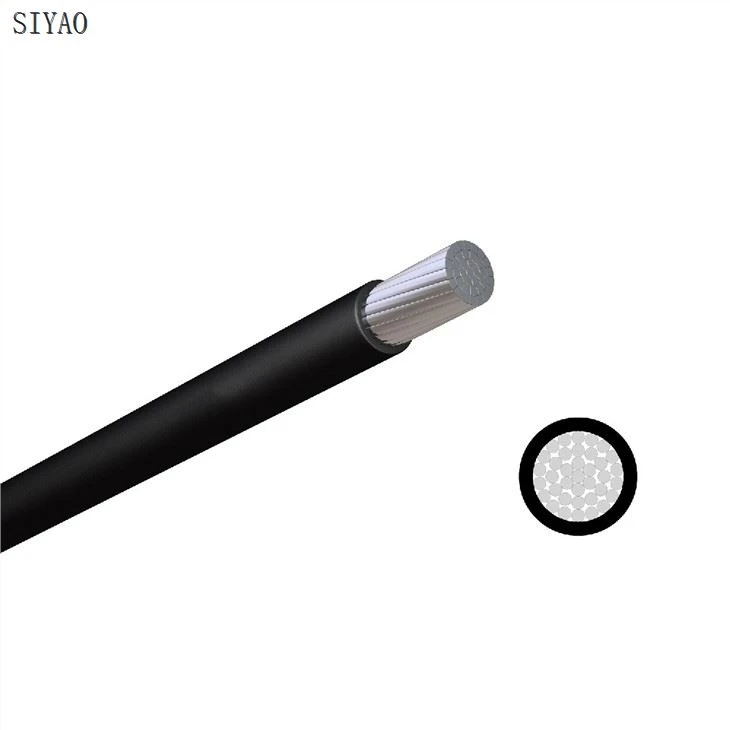
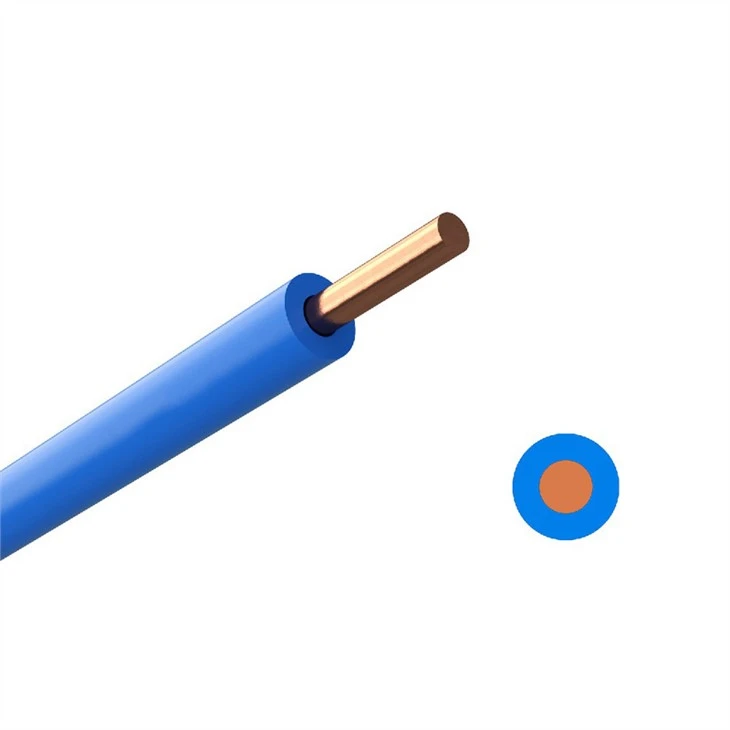
Appearance of the Insulation: The insulation on the PVC Insulated Copper Cable (BV) should be smooth and free of any cracks, bubbles, or scratches. If you see any of these defects, it could be a sign of poor manufacturing or damage during handling. For example, cracks in the insulation can expose the copper conductor inside, increasing the risk of short - circuits and electrical hazards.
-
Color Consistency: The color of the insulation should be uniform. Any discoloration might indicate that the cable has been exposed to high temperatures or chemicals, which can degrade its performance over time.
-
Printing: The cable should have clear and legible printing on it. This printing usually includes information like the cable type, voltage rating, and cross - sectional area. If the printing is faded or smudged, it could be a red flag.
-
2. Measuring the Conductor Diameter
The conductor is the heart of the cable, and its size matters a lot. You'll need a micrometer for this test.
-
Accuracy: Measure the diameter of the copper conductor at several points along the cable. The diameter should be consistent with the specifications provided. For instance, if the cable is supposed to have a certain cross - sectional area, the corresponding conductor diameter can be calculated. A smaller diameter than specified means higher resistance, which leads to more power loss and heat generation when the cable is in use.
-
Material Quality: While measuring, you can also get an idea of the material quality. High - quality copper conductors are usually shiny and have a smooth surface. If the conductor looks dull or has a rough texture, it might be of lower quality.
-
3. Insulation Resistance Test
This test is crucial for ensuring the safety and performance of the cable. You'll need an insulation resistance tester.
-
Testing Procedure: First, make sure the cable is disconnected from any power source. Then, connect the tester to the conductor and the insulation. The tester will apply a voltage and measure the resistance between the conductor and the insulation. A high insulation resistance value is a good sign. It means that the insulation is doing its job of preventing current leakage.
-
Acceptable Values: The acceptable insulation resistance values depend on factors like cable size and application. Generally, for low - voltage BV cables, an insulation resistance of at least 0.5 MΩ is considered acceptable at room temperature.
-
4. Tensile Strength Test
BV cables need to be able to withstand some pulling force during installation and use. You can use a tensile testing machine for this.
Installation - related: During installation, cables are often pulled through conduits or around corners. If the cable doesn't have enough tensile strength, it could break or become damaged. The test measures the maximum force the cable can withstand before breaking.
Specifications: For BV cables, there are specific tensile strength requirements according to industry standards. By testing the cable's tensile strength, you can ensure that it meets these standards and is suitable for the intended application.
5. Flame Resistance Test
Safety is a top priority when it comes to electrical cables. A flame resistance test can tell you how well the cable will perform in case of a fire.
-
Self - Extinguishing: The PVC Insulated Copper Cable (BV) should be self - extinguishing. That means if you set it on fire and then remove the ignition source, it should stop burning within a certain time frame. This is important because it can prevent the spread of fire in case of an electrical fault.
-
Testing Method: There are different methods to conduct this test. One common method is to expose a sample of the cable to a flame for a specified period and then measure the time it takes for the flame to go out.
-
6. Temperature Resistance Test
Cables can get hot when they carry current, and they need to be able to handle the heat without degrading.
-
High - Temperature Performance: For High Temperature Resistant Cable, you can use a temperature chamber to simulate high - temperature conditions. Place the cable in the chamber and raise the temperature to the specified maximum operating temperature. Then, measure the cable's performance, such as its insulation resistance and conductor resistance.
-
Long - term Effects: Prolonged exposure to high temperatures can cause the insulation to degrade, which can lead to safety issues. By testing the cable's temperature resistance, you can ensure that it will perform reliably over its lifespan.
-
7. Flexibility Test
Some applications require cables to be flexible. The Flexible Cable for Connecting ( RV ) and PVC Insulated Flexible Cable(BVR) are examples of such cables.
-
Bending Test: You can perform a simple bending test. Bend the cable back and forth a certain number of times at a specified radius. After the test, check for any signs of damage, such as cracks in the insulation or breaks in the conductor.
-
Application - Specific: In applications like robotics or movable equipment, flexible cables are essential. A flexible cable that can withstand repeated bending without damage will have a longer service life.
-
Why Quality Testing Matters
As a BV cable supplier, I know that quality testing is not just a formality. High - quality cables ensure the safety and reliability of electrical systems. Faulty cables can cause power outages, electrical fires, and damage to equipment. By conducting these tests, you can be confident that the cables you're using or supplying meet the necessary standards.
If you're in the market for high - quality BV cables or any of our other cable products, I'd love to have a chat with you. Whether you have questions about the testing process or need to place an order, don't hesitate to reach out. We're here to provide you with the best cables for your needs.