

Picking between centrifugal and axial fans is one of those classic HVAC debates. Walk into any ventilation project-whether it's a commercial high-rise, a factory floor, or a data center-and you'll hear engineers arguing over which type deserves the spec. They both move air, but the way they handle resistance, space, and efficiency is completely different. Getting this decision wrong at the design stage usually means expensive rework later.
How They Actually Work
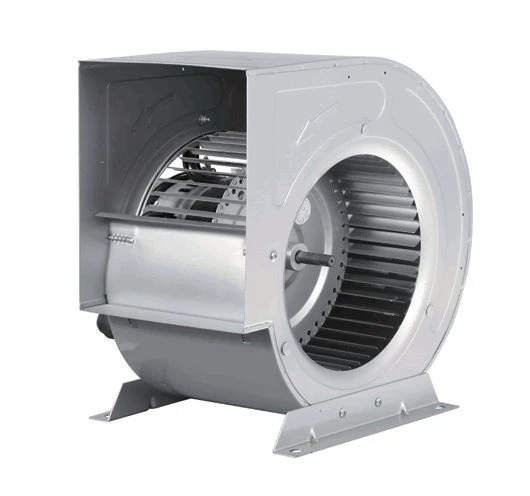
Centrifugal fans draw air in along the axis of the impeller and expel it at a 90-degree angle through a scroll-shaped housing. As the air passes over the blades, it gains pressure. That's why centrifugal fans are pressure machines. They're built to push air through systems that fight back-long duct runs, packed filters, coils, and dampers.
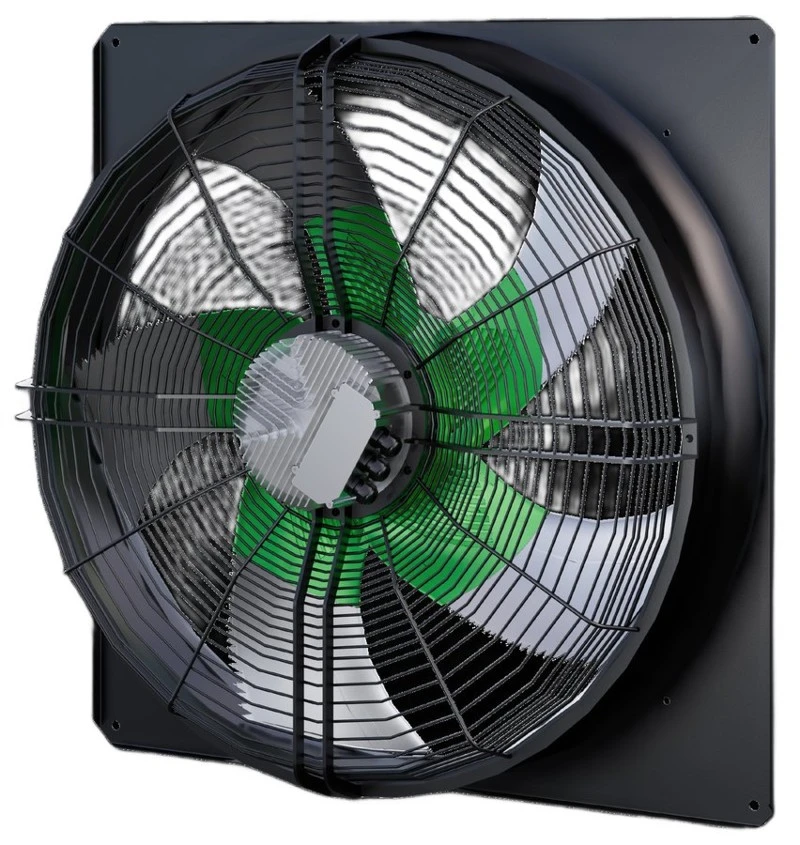
Axial fans move air parallel to the shaft, like a propeller on an airplane. The air enters one side and exits the other in a straight line. They're volume machines. When you need to shift huge amounts of air across short distances or through open spaces, axial fans are hard to beat.
Where Each One Shines
Centrifugal fans dominate in applications where ductwork is complex and resistance is high. Think hospital operating theaters, laboratory exhaust systems, multi-story office buildings, and industrial processes with long runs of duct and multiple filtration stages. They also handle high temperatures and contaminated air better, since the motor can be isolated from the airstream.
Axial fans are the go-to for cooling towers, tunnel ventilation, warehouse general exhaust, and any application where you need high airflow without much static pressure. They're compact, lighter, and generally cheaper to install when the application fits.
The MIDI Industrial Perspective
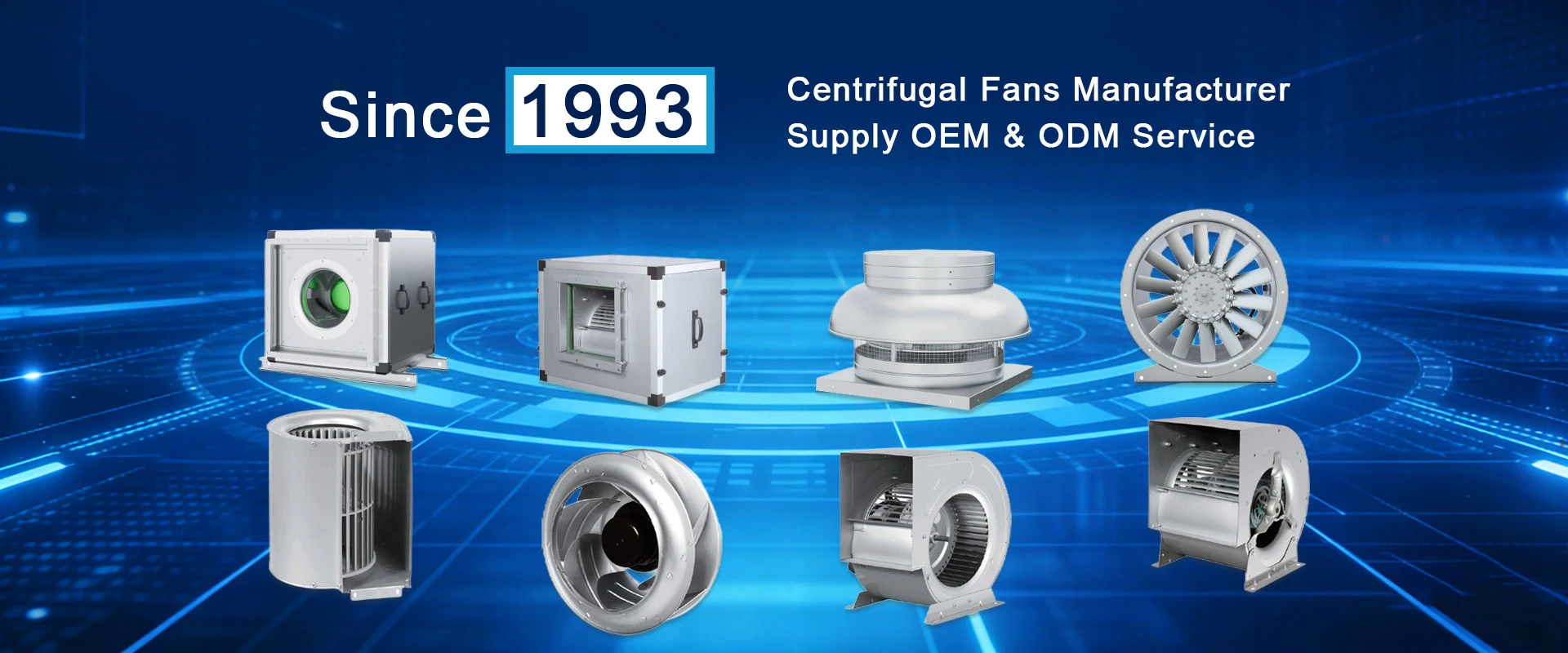
At MIDI Industrial, we manufacture both centrifugal and axial fans because real projects rarely fit a single mold. Our direct driven centrifugal fans are engineered for high-static-pressure environments where reliability matters-building ventilation, central air conditioning systems, and industrial exhaust. On the axial side, we focus on robust construction and energy-efficient motors that hold up in demanding commercial settings.
A common mistake we see is specifying an axial fan for a ducted system just because the upfront cost looks better. When the fan can't overcome the system resistance, it ends up running at maximum draw while delivering poor airflow-exactly the opposite of what you want. Matching the fan curve to the system curve is where the real engineering happens, and it's a conversation we're always happy to have with our customers.
Making the Call
There's no universal winner. If your system has significant resistance-long ducts, filters, heat exchangers-centrifugal is usually the right answer. If you need maximum air volume in a short, open run, axial will serve you better. And if energy efficiency is a priority, pairing either type with EC technology changes the equation entirely.