

When it comes to RV cables, the markings on them are not just random symbols or numbers. They carry crucial information that can help users understand the cable's characteristics, performance, and safety features. As a reliable RV cable supplier, I'm here to shed light on these markings and their meanings, providing you with a comprehensive guide to make informed decisions.
Basic Structure and Components of RV Cable
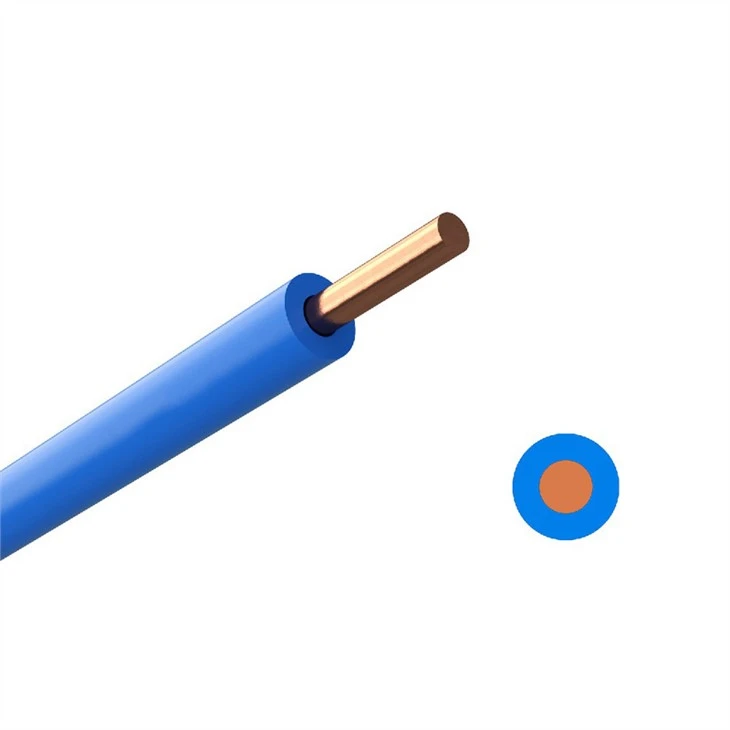
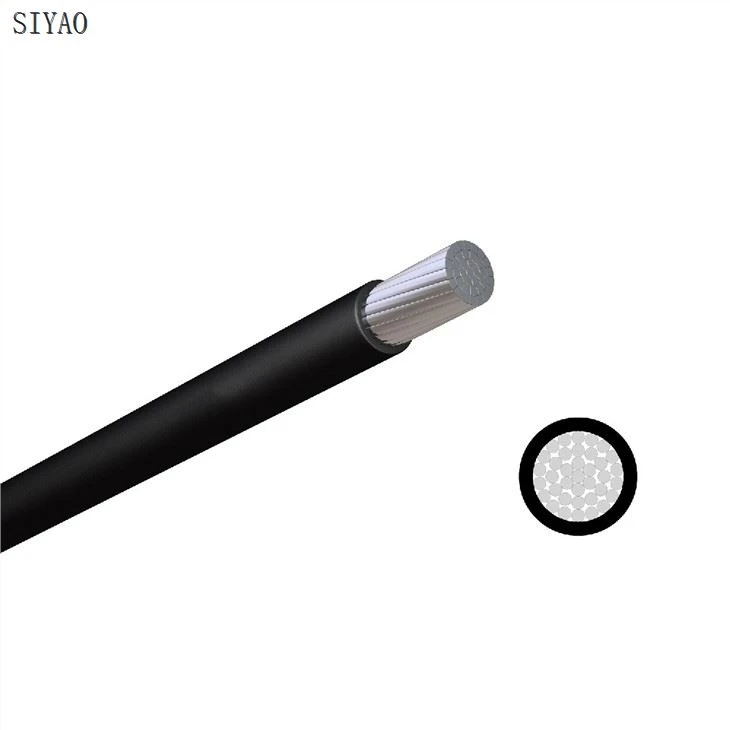
Before delving into the markings, it's essential to understand the basic structure of an RV cable. Typically, an RV cable consists of a conductor, insulation, and sometimes a protective sheath. The conductor is usually made of copper, which is an excellent conductor of electricity. The insulation is designed to prevent electrical leakage and protect the conductor from external factors. The protective sheath, if present, provides additional protection against mechanical damage, moisture, and chemicals.
Common Markings on RV Cable and Their Meanings
1. Conductor Material and Size
- Copper Conductor Markings: Most RV cables use copper conductors due to their high conductivity and corrosion resistance. The marking "Cu" or simply "Copper" indicates that the conductor is made of copper. For example, a cable marked "Cu 2.5mm²" means it has a copper conductor with a cross - sectional area of 2.5 square millimeters. A larger cross - sectional area generally allows for higher current carrying capacity. For instance, if you need to power high - wattage appliances in your RV, you'll need a cable with a larger conductor size.
- Conductor Stranding: Some RV cables, especially Flexible Cable for Connecting ( RV ), use stranded conductors. The marking might indicate the number of strands and the size of each strand. For example, "7/0.29mm" means the conductor is made up of 7 strands, each with a diameter of 0.29mm. Stranded conductors are more flexible than solid conductors, making them easier to install in tight spaces.
2. Insulation Material
- PVC Insulation: Polyvinyl chloride (PVC) is a commonly used insulation material in RV cables. A marking like "PVC" or "PVC Insulated" indicates that the cable is insulated with PVC. PVC Insulated Copper Cable (BV) is a prime example. PVC insulation offers good electrical insulation properties, is relatively inexpensive, and provides some resistance to moisture and chemicals.
- High - Temperature Insulation: For applications where the cable may be exposed to high temperatures, such as near the engine or heating systems in an RV, cables with high - temperature insulation are used. The marking "HT" or it may be specifically labeled as High Temperature Resistant Cable. These cables can withstand higher temperatures without degrading, ensuring reliable performance under extreme conditions.
- Flexible PVC Insulation: PVC Insulated Flexible Cable(BVR) is another type. The "R" in BVR usually stands for "flexible." This type of cable has a more flexible insulation, which is suitable for applications where the cable needs to be bent or moved frequently.
3. Voltage Rating
The voltage rating is a critical marking on an RV cable. It indicates the maximum voltage that the cable can safely withstand without experiencing electrical breakdown. For example, a cable marked "450/750V" means that it can handle a phase - to - neutral voltage of 450V and a phase - to - phase voltage of 750V. Using a cable with a lower voltage rating than required can lead to insulation failure, electrical shocks, or even fires. Therefore, it's crucial to choose a cable with an appropriate voltage rating for your RV's electrical system.
4. Current Rating
The current rating of a cable indicates the maximum amount of electric current that the cable can carry continuously without overheating. This marking is usually given in amperes (A). For example, a cable marked "16A" can safely carry a current of up to 16 amperes. The current rating depends on factors such as the conductor size, insulation material, and ambient temperature. If you exceed the current rating of a cable, it can overheat, which may damage the insulation and pose a fire hazard.
5. Safety Standards and Certifications
- UL Certification: The Underwriters Laboratories (UL) certification is a well - recognized safety standard in the United States. A cable marked "UL" has passed the UL testing and meets specific safety requirements. This certification gives consumers confidence that the cable has been thoroughly tested for electrical safety, fire resistance, and other important factors.
- CE Marking: In Europe, the CE marking indicates that the cable complies with the relevant European Union safety, health, and environmental protection standards. Cables with the CE marking can be legally sold and used within the EU.
Importance of Understanding Cable Markings
Understanding the markings on RV cables is of utmost importance for several reasons. Firstly, it ensures the safety of your RV's electrical system. By choosing a cable with the right conductor size, voltage rating, and insulation material, you can prevent electrical accidents such as short - circuits, overheating, and fires. Secondly, it helps you select the most suitable cable for your specific needs. Different RV applications may require cables with different characteristics, and the markings provide the necessary information to make the right choice.
How to Choose the Right RV Cable Based on Markings
When selecting an RV cable, start by determining your power requirements. Calculate the total wattage of the appliances you'll be using in your RV and use the formula (I = \frac{P}{V}) (where (I) is current in amperes, (P) is power in watts, and (V) is voltage) to find the required current. Then, choose a cable with a current rating that is higher than your calculated current.
Next, consider the environment where the cable will be installed. If it will be exposed to high temperatures, choose a High Temperature Resistant Cable. If flexibility is a key requirement, opt for Flexible Cable for Connecting ( RV ).
Also, make sure the cable has the appropriate safety certifications for your region. In the US, look for the UL certification, and in Europe, the CE marking.
Conclusion
The markings on RV cables are a valuable source of information that can help you make informed decisions when it comes to selecting the right cable for your RV. As an experienced RV cable supplier, I encourage you to pay close attention to these markings to ensure the safety and reliability of your RV's electrical system.
If you have any questions about RV cables or need assistance in choosing the right cable for your specific application, don't hesitate to reach out. We are here to provide you with professional advice and high - quality products. Contact us today to start a procurement negotiation and find the perfect RV cable solution for your needs.