

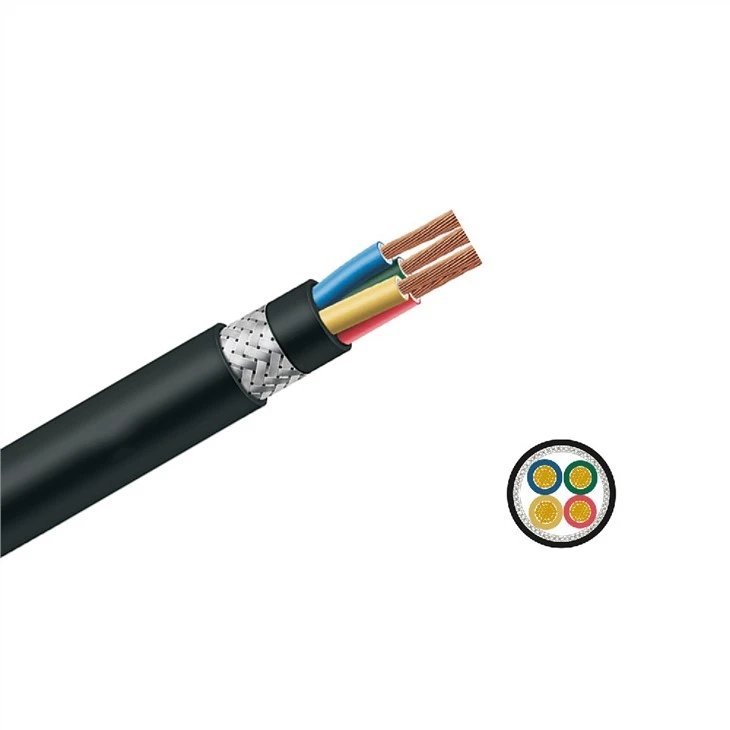
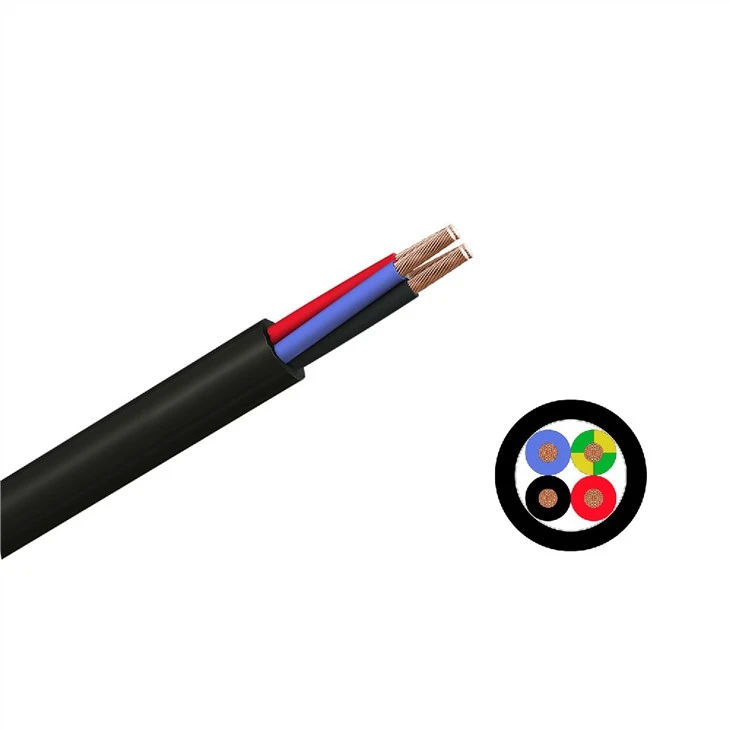
As a professional BVV cable supplier, I understand the importance of proper cable wrapping for protection. BVV cables, known as Insulated and Sheathed Cable (BVV) [/power-cable-wire-oem-factory/multi-core-sheathed-cable/insulated-and-sheathed-cable-bvv.html], are widely used in various electrical systems. Ensuring their protection through correct wrapping methods not only extends their service life but also enhances the safety and reliability of the entire electrical installation.
Understanding the Need for Cable Wrapping
Before delving into the wrapping process, it's crucial to understand why cable wrapping is necessary. BVV cables are exposed to a variety of environmental factors such as moisture, dust, mechanical stress, and even chemical substances. These elements can gradually damage the cable's insulation and sheath, leading to electrical failures, short circuits, and potential safety hazards.
Moisture, for example, can penetrate the cable's insulation, reducing its dielectric strength and increasing the risk of electrical leakage. Dust and debris can accumulate on the cable surface and, if not properly managed, may cause abrasion and damage to the outer sheath. Mechanical stress, such as bending, pulling, or vibration, can also lead to internal damage of the cable over time. Chemical substances, such as acids or alkalis in industrial environments, can corrode the cable's insulation and sheath materials.
Selecting the Right Wrapping Materials
The choice of wrapping materials depends on the specific application and the environmental conditions the cable will be exposed to. Here are some common types of wrapping materials:
Electrical Tape
Electrical tape is a widely used and cost - effective option for cable wrapping. It is made of a flexible, insulating material, usually vinyl, and comes in various colors. Electrical tape provides basic insulation and protection against moisture and dust. It is suitable for small - scale cable repairs, bundling, and general protection in low - risk environments.
Heat - Shrink Tubing
Heat - shrink tubing is another popular choice. When heated, it shrinks tightly around the cable, providing a snug and protective layer. It offers excellent insulation, moisture resistance, and mechanical protection. Heat - shrink tubing is available in different sizes and materials, such as polyolefin, which can withstand a wide range of temperatures. It is commonly used in applications where a more durable and secure protection is required, such as in automotive, aerospace, and industrial electrical systems.
Cable Sleeving
Cable sleeving is a flexible tube that can be slipped over the cable. It comes in various materials, including nylon, polyester, and fiberglass. Cable sleeving provides protection against abrasion, mechanical stress, and some environmental factors. It is often used in applications where the cable needs to be routed through tight spaces or where there is a risk of physical damage.
Step - by - Step Guide to Wrapping BVV Cables
Step 1: Preparation
- Inspect the Cable: Before wrapping, carefully inspect the BVV cable for any signs of damage, such as cuts, abrasions, or exposed conductors. If any damage is found, it should be repaired or replaced before wrapping.
- Clean the Cable: Use a clean, dry cloth to wipe the cable surface to remove any dust, dirt, or moisture. This ensures good adhesion between the cable and the wrapping material.
- Measure and Cut the Wrapping Material: Depending on the length of the cable to be wrapped, measure and cut the appropriate amount of wrapping material. For electrical tape, leave some extra length for overlapping. For heat - shrink tubing, choose the correct size and cut it slightly longer than the cable section to be covered. For cable sleeving, cut it to the desired length.
Step 2: Wrapping with Electrical Tape
- Start Wrapping: Begin at one end of the cable and hold the end of the electrical tape firmly against the cable. Then, start wrapping the tape around the cable in a spiral motion, overlapping about half of the tape width with each turn.
- Maintain Tension: Keep a consistent tension while wrapping to ensure a tight and even fit. Avoid leaving any gaps between the tape layers, as this can reduce the protection provided.
- Finish the Wrapping: Once you reach the other end of the cable, cut the tape and press the end firmly against the wrapped section to secure it.
Step 3: Using Heat - Shrink Tubing
- Slide the Tubing onto the Cable: Before making any connections, carefully slide the heat - shrink tubing onto the cable. Make sure it is positioned correctly over the area to be protected.
- Apply Heat: Use a heat gun to apply heat evenly to the tubing. Move the heat gun in a circular motion around the tubing to ensure uniform shrinkage. Start from one end of the tubing and work your way to the other end.
- Check the Shrinkage: As the tubing heats up, it will start to shrink. Continue applying heat until the tubing has shrunk tightly around the cable and there are no wrinkles or gaps.
- Cool Down: Allow the heat - shrink tubing to cool down completely before handling the cable. This ensures that the tubing retains its shape and provides a proper seal.
Step 4: Installing Cable Sleeving
- Open or Slide the Sleeving: If the cable sleeving is a split type, open it and place the cable inside. If it is a non - split type, carefully slide it over the cable from one end.
- Route the Cable: Make sure the cable is properly routed inside the sleeving. If necessary, use cable ties or clips to secure the cable in place within the sleeving.
- Trim the Excess: If there is any excess sleeving at the ends, trim it neatly to give a clean and professional appearance.
Special Considerations for Different Environments
Indoor Environments
In indoor environments, the main concerns are usually dust, minor mechanical stress, and potential contact with other objects. Electrical tape is often sufficient for basic protection in normal indoor settings. However, if the cable is exposed to more harsh conditions, such as in a factory or workshop where there is a risk of abrasion, heat - shrink tubing or cable sleeving may be more appropriate.
Outdoor Environments
Outdoor cables are exposed to more severe environmental factors, including moisture, sunlight, temperature variations, and physical damage. For outdoor use, heat - shrink tubing with UV - resistant properties is recommended. It provides a better seal against moisture and can withstand the effects of sunlight. Cable sleeving made of weather - resistant materials, such as fiberglass or nylon, can also offer good protection in outdoor applications.
Hazardous Environments
In hazardous environments, such as those with flammable gases or explosive dust, special wrapping materials are required. These materials must meet strict safety standards and be resistant to the specific hazards present. For example, in a chemical plant, the wrapping material should be resistant to chemical corrosion. In these cases, it is essential to consult relevant safety regulations and use certified materials.
Advantages of Proper Cable Wrapping for BVV Cables
- Extended Service Life: By protecting the cable from environmental damage, proper wrapping can significantly extend the service life of BVV cables. This reduces the need for frequent cable replacements, saving both time and money.
- Enhanced Safety: A well - wrapped cable is less likely to experience electrical failures, short circuits, or leakage. This enhances the safety of the electrical system and reduces the risk of fire or electrical shock.
- Improved Appearance: Cable wrapping can give the electrical installation a neat and professional appearance. This is especially important in commercial and industrial settings where aesthetics matter.
Conclusion
Properly wrapping BVV cables is a crucial step in ensuring their long - term performance and safety. As a BVV cable supplier, we understand the diverse needs of our customers and can provide professional advice on the best wrapping methods and materials for different applications. Whether you are working on a small - scale electrical project or a large - scale industrial installation, the protection of cables should never be overlooked.
If you are interested in purchasing high - quality BVV cables or need more information on cable protection, please feel free to [initiate a contact for procurement discussion]. We are always ready to serve you with our expertise and experience in the cable industry.