

Hey there, folks! As a supplier of Direct Drive Airfoil Plug Fans, I've seen my fair share of installation headaches and successes. Installing one of these fans correctly is super important, not just for your fan to work right but also for its long - term performance. So, let's jump right into how to get that Direct Drive Airfoil Plug Fan up and running the right way.
Pre - installation Checks
First things first, you gotta do some pre - installation checks. When your brand - new Direct Drive Airfoil Plug Fan arrives, you need to give it a thorough once - over. Check for any visible damage during transit. Look out for dents in the casing, bent fan blades, or loose parts. If you spot anything suspicious, it's best to contact us right away so we can work it out.
You'll also want to make sure you've got all the necessary parts. The fan usually comes with a user manual that lists everything included. Double - check that you have the motor, the airfoil plug assembly, mounting brackets, and any hardware like nuts and bolts.
Now, picking the right location is crucial. The fan needs to be installed in a place where there's good air intake and exhaust. Make sure there's no obstruction around the fan. You don't want anything blocking the airflow, as that can reduce the fan's efficiency big time. A clean, dry, and well - ventilated area is ideal. Also, think about accessibility. You'll probably need to do maintenance on it down the line, so it should be easy to reach.
Gathering the Right Tools
Before you start the installation process, gather all the tools you'll need. You'll likely need a socket set because the bolts used to mount the fan and its components are usually a specific size. A screwdriver set is handy too, especially if there are any electrical connections or smaller parts that need to be secured.
A drill can be useful if you need to make holes for mounting brackets in the installation surface. But make sure you have the correct drill bits for the material you're drilling into. A level is a must - have as well. You want the fan to be perfectly horizontal and vertical to ensure smooth operation. And don't forget a measuring tape to get the right dimensions for mounting and to make sure everything fits properly.
Mounting the Fan
Once you've got your location and tools sorted, it's time to mount the fan. The first step is to attach the mounting brackets. Use your drill and the appropriate hardware to secure the brackets to the installation surface. Make sure they're firmly attached and level. You can use the level to check this. The brackets are what will hold the weight of the fan, so they need to be installed correctly.
After the brackets are in place, carefully lift the Direct Drive Airfoil Plug Fan and place it onto the mounting brackets. Slide it into position and then use the bolts and nuts to secure it tightly. Make sure all the bolts are tightened properly, but don't over - tighten them as this could damage the fan or the brackets. You can refer to the user manual for the recommended torque settings.
Electrical Connections
Now, onto the electrical part. This is a critical step, so if you're not comfortable working with electricity, it's best to hire a professional electrician. First, turn off the power at the main breaker to avoid any electrical shocks. You'll typically find a wiring diagram in the user manual that shows you how to connect the fan to the power supply.
Match up the wires according to the diagram. Usually, there will be a live wire, a neutral wire, and a ground wire. Make sure the connections are tight and insulated. You can use wire nuts or electrical tape to secure the connections. Once you've made the connections, test them to make sure there are no loose wires or short circuits.
Testing the Fan
After you've completed the installation and electrical connections, it's time to test the fan. Turn the power back on at the main breaker. If all goes well, the fan should start up smoothly. Listen for any strange noises. Grinding, rattling, or whining sounds could indicate a problem, such as a loose part or misalignment.
Check the airflow. You can use a piece of paper or a small wind gauge to see if the fan is pushing air as it should. If the airflow seems weak or there's no airflow at all, double - check your installation and electrical connections.
Post - installation Checks
Once the fan is running properly, take a moment to do some post - installation checks. Make sure all the bolts and connections are still tight after the fan has been running for a little while. Sometimes, vibrations can cause them to loosen over time.
Check the fan's performance regularly. Measure the airflow and the temperature around the fan. Any significant changes could be a sign of a problem developing.
Related Products
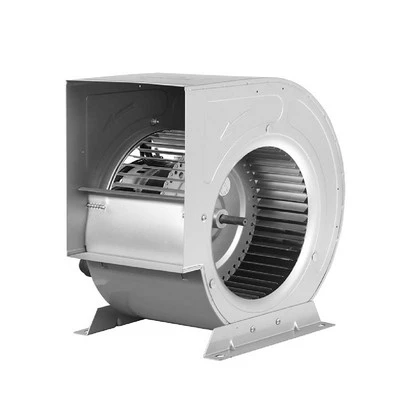
If you're interested in other types of fans, we've got a great range. Check out our Direct Driven Centrifugal Blower (Forward Curved Blades, Double Inlet), SYZ Series. It's a great option for situations where you need high - volume air movement.
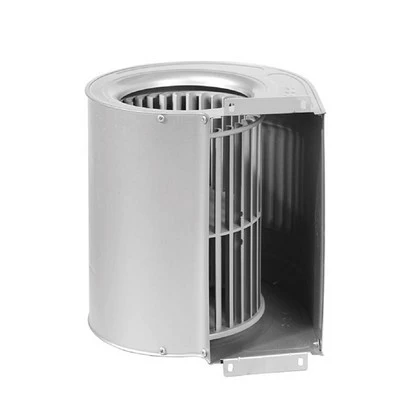
We also have the Direct Drive Airfoil Plug Fan / Centrifugal Fan, SYWB Series. This series offers excellent efficiency and reliability.
The EXTERNAL ROTOR MOTOR DIRECT DRIVEN CENTRIFUGAL FANS are a unique choice, with their external rotor design providing some advantages in certain applications.
Our Direct Driven Centrifugal Fan (Forward Curved Blades, Dual Inlet), SYP Series is another popular option, known for its quiet operation and good performance.
And don't forget about the Airfoil Plug Fan / Direct Driven Centrifugal Fan, SYWA Series, which combines the benefits of an airfoil design with direct - drive technology.
Contact for Purchase and Discussion
If you're thinking about purchasing a Direct Drive Airfoil Plug Fan or have any questions about installation, performance, or our other products, don't hesitate to reach out. We're here to assist you through the whole process, from selection to after - sales support.